What Happens If You Die Without Life Insurance?
Most people avoid thinking about this question. It is uncomfortable, it feels morbid, and it is easy to push into the mental category of "things I'll deal with later."
But the financial consequences of dying without life insurance do not wait. They arrive immediately and they fall entirely on the people you love most.

The Immediate Financial Costs
The average funeral in the United States costs between $8,000 and $12,000. That expense arrives within days of a death before grief has had a chance to settle, before any of the practical realities of the loss have been fully absorbed. Without life insurance, families typically cover that cost with personal savings (often significantly depleting emergency funds), credit cards, loans from relatives, or public crowdfunding campaigns that require survivors to announce their financial vulnerability to the world at their most vulnerable moment.
Many people are surprised to learn that affordable term life insurance can cost less than a monthly streaming subscription for healthy adults in their 30s and covers not just funeral expenses but everything that follows.
What Happens to Your Debts?
Debt does not disappear at death. In most cases, a surviving spouse inherits joint debts, and individual debts may be taken from the estate before any remaining assets pass to heirs. If the estate does not cover outstanding obligations, assets may need to be sold including savings accounts, vehicles, and in some cases the family home. For working professionals, the loss of a primary income combined with debt obligations can create a financial crisis that takes years to recover from.
The Long-Term Impact on Your Family
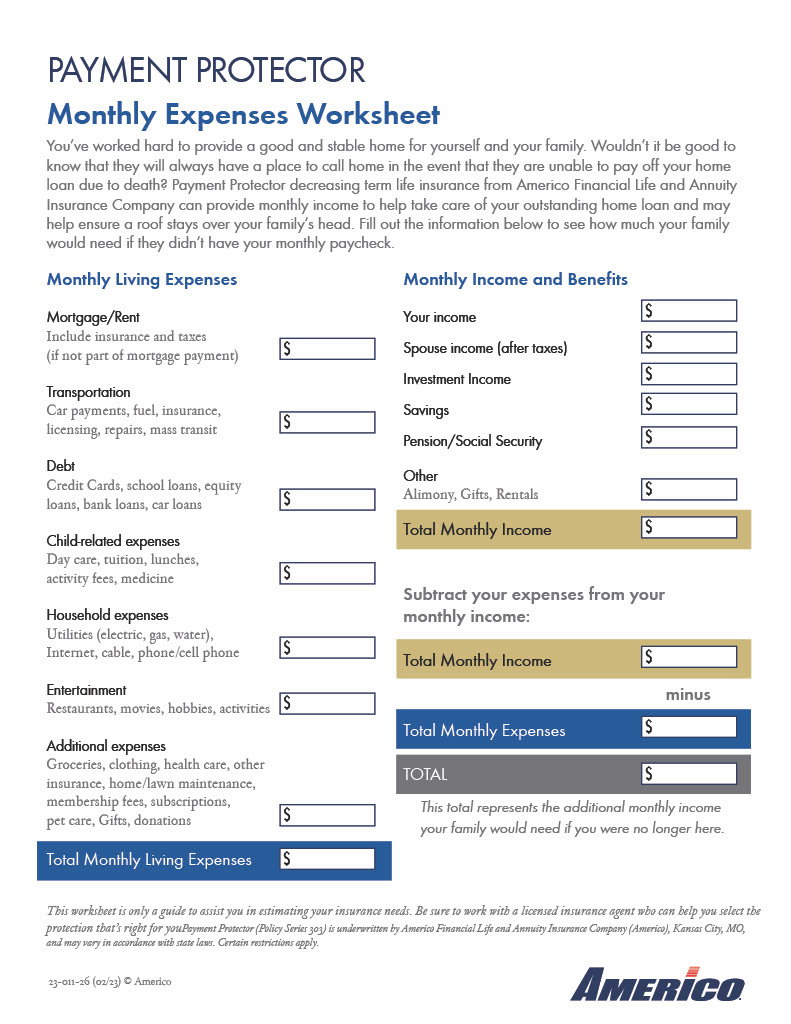
The most significant consequence of dying without life insurance is not the funeral cost or even the debt — it is the permanent loss of income your family was depending on. A family with a mortgage, young children in childcare, and daily living expenses cannot simply absorb the disappearance of a primary income. Those expenses do not pause for grief. They continue and without replacement income in place, the surviving family faces a cascade of increasingly difficult financial decisions: sell the house, pull children from activities, delay education plans, reduce the standard of living they were building together.
This is why many people choose permanent whole life coverage or term insurance specifically designed to replace income and protect the financial trajectory their family was on.
Life Insurance Is Not Just for Older Adults
One of the most damaging misconceptions about life insurance is that it is most relevant later in life. The truth is opposite: the best time to buy is when you are younger and healthier, when premiums are lowest and approval is easiest. Working with top-rated life insurance companies ensures your policy is backed by financially stable insurers that will be there when your family needs them most.
Rates Increase Every Year You Wait
👉 Book your free 15-minute consultation today.
Life Insured By Chris will show you exactly what protection looks like for your family's specific situation and what it costs to have it in place before it is ever needed.