How to Compare Life Insurance Quotes So You Do Not Overpay
Dear Life Insured By Chris, I requested life insurance quotes online and got a range from “surprisingly cheap” to “why is this so expensive.” The cheapest one looks like a no brainer, but I am worried I am missing something and will end up overpaying later. How do I compare life insurance quotes so I do not get tricked by pricing?
My answer: You are right to be cautious. Most people do not overpay because they are careless, they overpay because quotes are easy to misunderstand. A quote is not a promise, it is a snapshot based on assumptions. If those assumptions are not identical across carriers, the prices are not comparable. Your job is to force “apples to apples,” then verify what is guaranteed, what can change, and what is included.
Below is the practical way to read life insurance quotes like an insider, so you can keep coverage strong and costs under control.
The Core Problem: Quotes Hide Assumptions, And Assumptions Change The Price
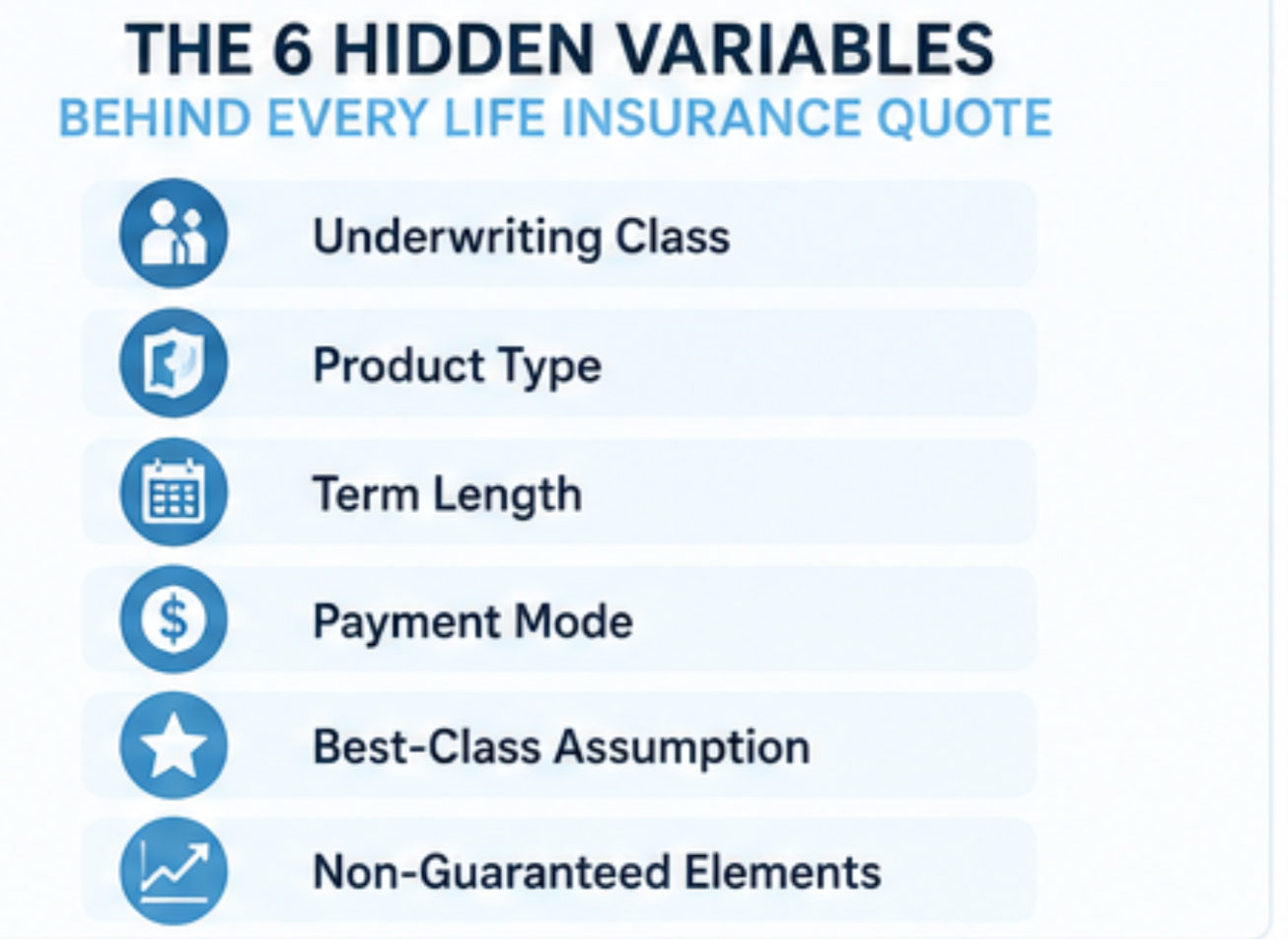
When you see two very different premiums for the same coverage amount, it usually comes down to one of these:
- The underwriting class is different (Preferred vs. Standard, or better).
- The product type is not the same (term vs. permanent, or different flavors of permanent).
- The term length is not the same (20 years vs. 25 years, or “level” vs increasing).
- The quote uses a different payment mode (monthly vs. annual) or includes fees.
- The cheaper quote assumes you will qualify for “best class,” which many people do not.
- The quote is for a policy with non guaranteed elements (common in permanent insurance).
To stop overpaying, you need to read every quote through a consistent checklist.
Step 1: Confirm the basics: coverage amount, type, and duration
Start by checking these fields on every quote and do not compare prices until they match:
- Death benefit amount: $250,000 is not comparable to $300,000, even if the premiums look close.
- Policy type: Term life is not comparable to whole life, universal life, or final expense. Each has different goals and pricing mechanics.
- Duration: For term, confirm the level period, such as 10, 20, 30 years. For permanent, confirm whether the quote is designed to last to age 100, 121, or a specific age like 90.
If any of these do not match, you are not reading competing quotes. You are reading different products.
Step 2: Identify the underwriting class: this is where “cheap” quotes are born
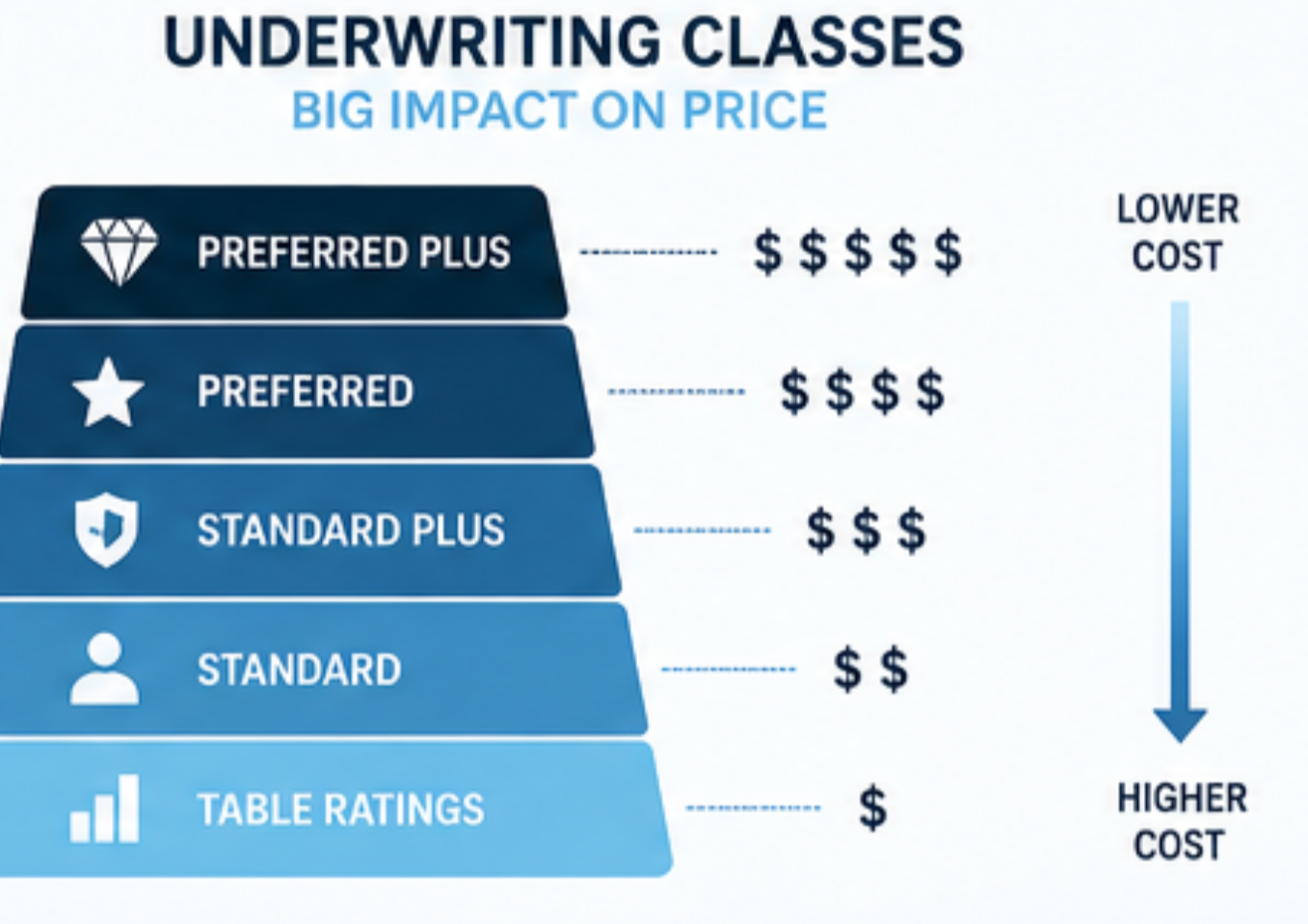
Underwriting class is one of the biggest drivers of price. Two quotes can show the same face amount and term length, but the premium differs dramatically because one assumes “Preferred Plus” while the other assumes “Standard.”
Look for wording like:
- Preferred Plus, Preferred Best, or Super Preferred
- Preferred
- Standard Plus
- Standard
- Table ratings (Table A, B, C, etc.)
Advice: If the quote does not clearly state the assumed class, treat it as marketing, not planning. Ask for at least two versions of the quote, one at the best likely class and one at a more conservative class like Standard. That simple step prevents “quote shock” later.
Step 3: Check the health and lifestyle inputs: small details can be expensive
A quote is only as accurate as the inputs used. Confirm the agent or quoting tool used the correct details for:
- Age and date of birth
- Gender
- State of residence (rates vary by state)
- Tobacco or nicotine use (including vaping, patches, gum, and occasional cigars)
- Height and weight
- Medications and controlled conditions (blood pressure, cholesterol, A1C)
- Family history (especially early cardiac events or cancer)
- Driving record (DUIs, major violations)
- Avocations and travel (aviation, scuba, international travel patterns)
Common ways people overpay: They accept a quote that assumes tobacco rates because they vape “only sometimes,” or they accept a Standard quote when they could qualify for Preferred with a different carrier that treats controlled conditions more favorable.
Step 4: Understand payment mode: monthly is usually not the same as annual
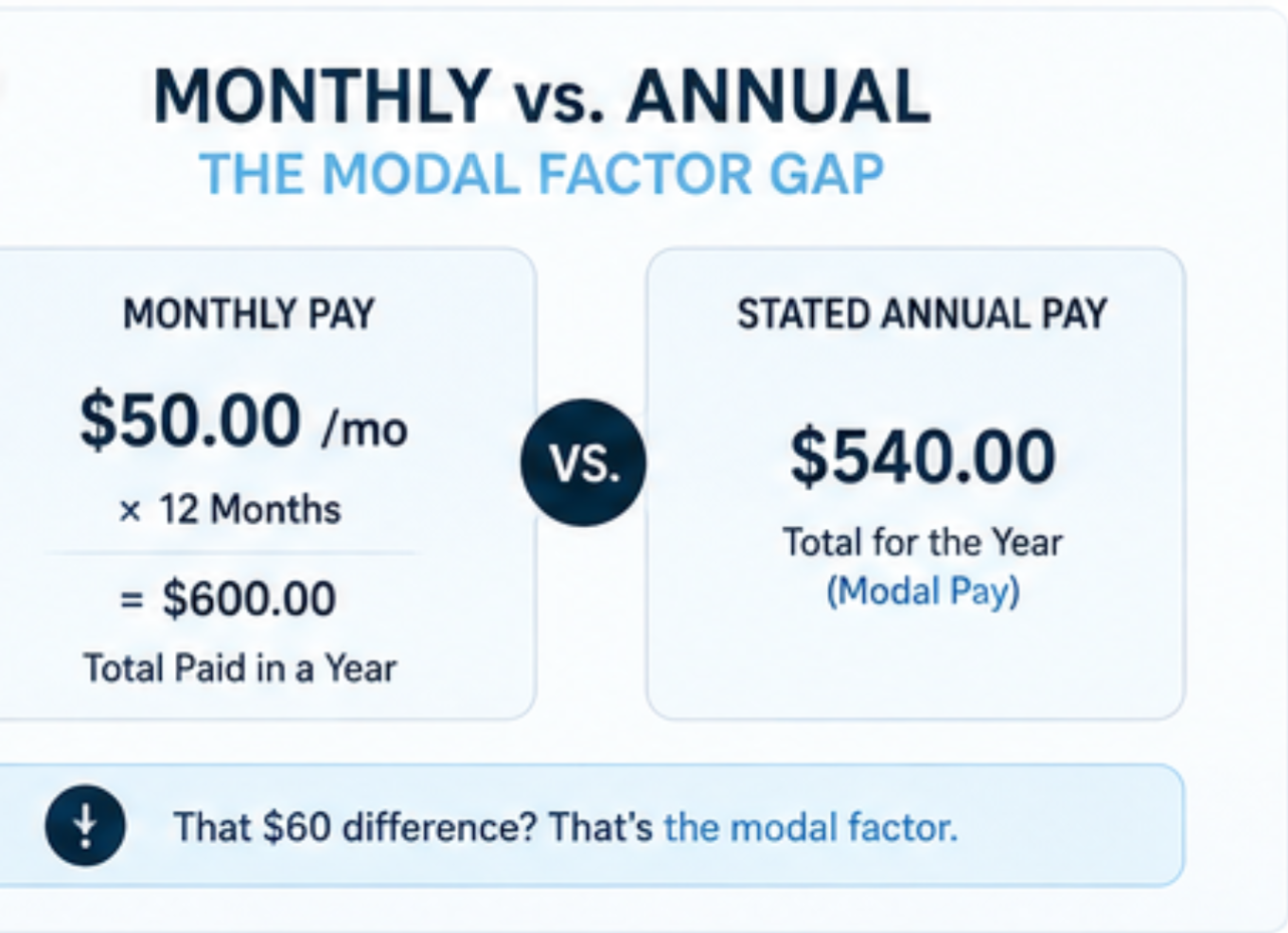
Many people compare a monthly premium from one quote to an annual premium from another, or they do not realize that paying monthly often costs more than paying annually because of modal factors.
Make sure every quote states:
- The premium amount
- The payment frequency: monthly, quarterly, semi annual, annual
- Whether any policy fees are included in that figure
Practical tip: Convert everything to an annual number when comparing. Monthly payments are convenient, but annual numbers reveal the true cost difference.
Step 5: Verify whether the premium is level and how long it is guaranteed
For term life, most shoppers want level premium term, meaning the premium stays the same for the chosen period. But even within term insurance, the details matter.
- Level period: 10, 20, 30 years, or other lengths.
- Guaranteed level premium: Premium is locked for that period.
- Renewal structure: What happens after the level period ends, and how expensive renewals get.
Where overpaying sneaks in: Someone buys a slightly cheaper term policy that has weaker conversion options or less favorable renewability, then ends up paying much more when health changes and they need permanent coverage.
Step 6: For permanent life insurance, separate guaranteed numbers from illustrated numbers
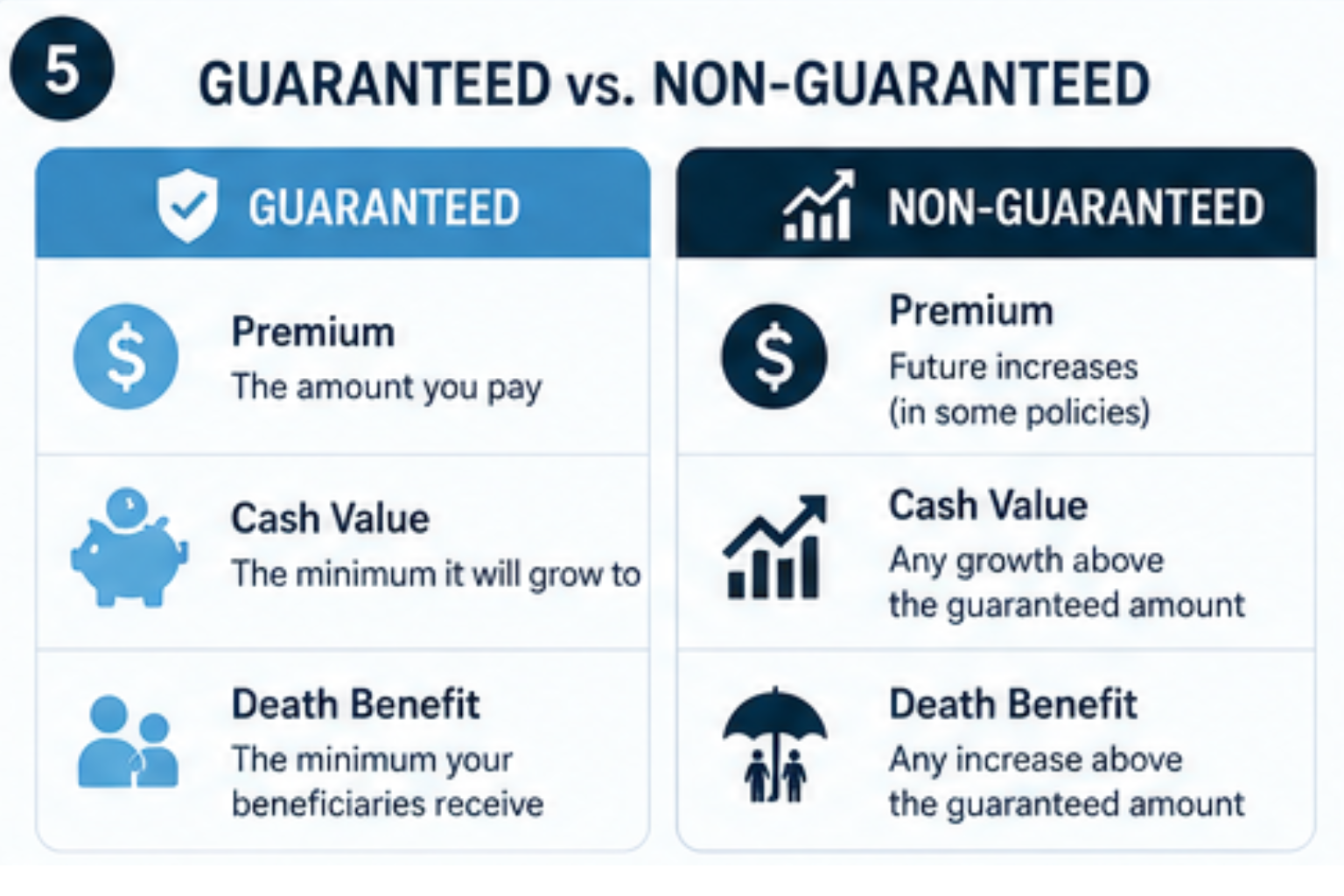
Whole life and universal life are often quoted using illustrations. Illustrations can include guaranteed elements and non guaranteed projections. This is a frequent source of confusion, and sometimes regret.
When reading a permanent policy quote, ask for these items clearly labeled:
- Guaranteed premium: The amount that guarantees the policy stays in force under the guaranteed assumptions.
- Non guaranteed premium: The “current” or illustrated premium that may change if costs or crediting rates change.
- Guaranteed cash value: The minimum cash value schedule if guarantees are met.
- Non guaranteed cash value: The projected cash value based on assumed dividends or interest rates.
- Guaranteed death benefit: What is guaranteed, and to what age, such as 100 or 121.
- Non guaranteed death benefit: Especially relevant in some universal life designs.
Opinion, and I will stand by it: If you cannot explain what parts of the quote are guaranteed in one sentence, you are not ready to commit to that permanent policy. That does not mean permanent insurance is bad, it means the quote needs to be readable.
Step 7: Inspect riders and extras, because “included” is rarely free
Riders can add real value, or they can quietly increase cost for benefits you do not need. When comparing quotes, list every rider on each policy and confirm whether it costs extra.
- Waiver of premium: Can be helpful, but increases premium.
- Accelerated death benefit: Often included, but terms vary.
- Child term rider: Usually inexpensive, but not always necessary.
- Return of premium: Typically increases cost significantly, sometimes the “refund” is less attractive when you do the math.
- Accidental death rider: Often low value for most families compared to simply buying more base coverage.
- Long term care or chronic illness rider: Potentially valuable, but definitions and charges differ widely.
How this causes overpaying: One quote looks only slightly higher, but it includes multiple riders. Another quote looks cheaper because it is bare bones. Neither is “wrong,” but they are not equal.
Step 8: Look for policy fees, administrative charges, and internal costs
Especially in universal life, internal policy charges can materially affect performance. Even in term policies, there can be policy fees baked into the premium.
Ask directly:
- Is there a separate policy fee?
- For universal life, what are the cost of insurance charges and how can they change?
- Are there surrender charges, and how long do they last?
If a policy is designed for cash value accumulation, internal costs matter just as much as the headline premium.
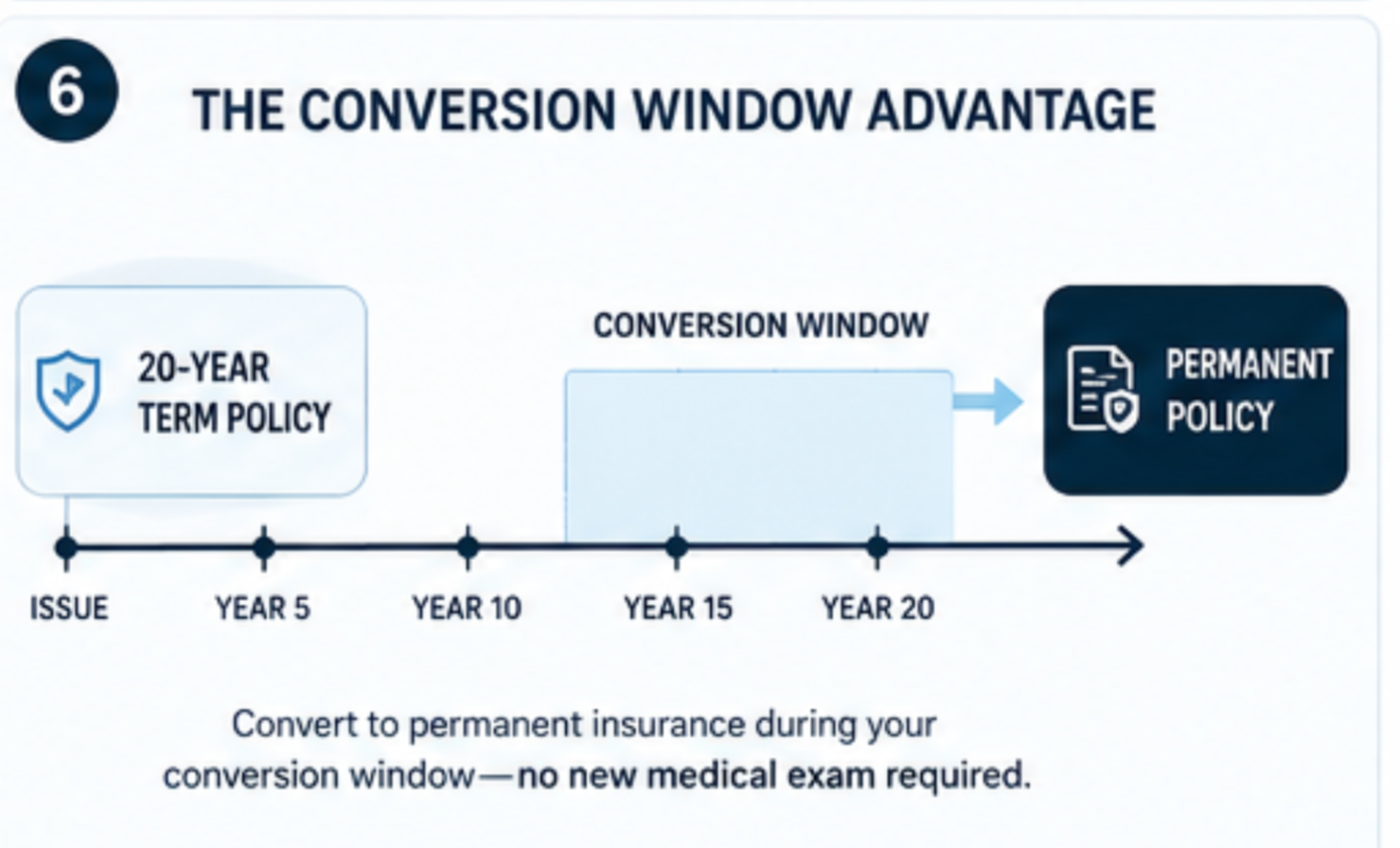
Step 9: Confirm conversion options, this is insurance for your future insurability
Term life is often the right starting point, but conversion is the feature that protects you if you need coverage later and your health changes. Not all conversion privileges are equal.
When comparing term quotes, confirm:
- Is the policy convertible? If yes, to which products?
- Conversion deadline: Convert anytime during the term, or only before a specific age?
- Conversion credits: Some carriers offer incentives that reduce cost on the permanent policy.
My advice: If two term quotes are close, I favor the one with stronger conversion, even if it is a few dollars more. That small difference can prevent massive overpaying later when you have fewer options.
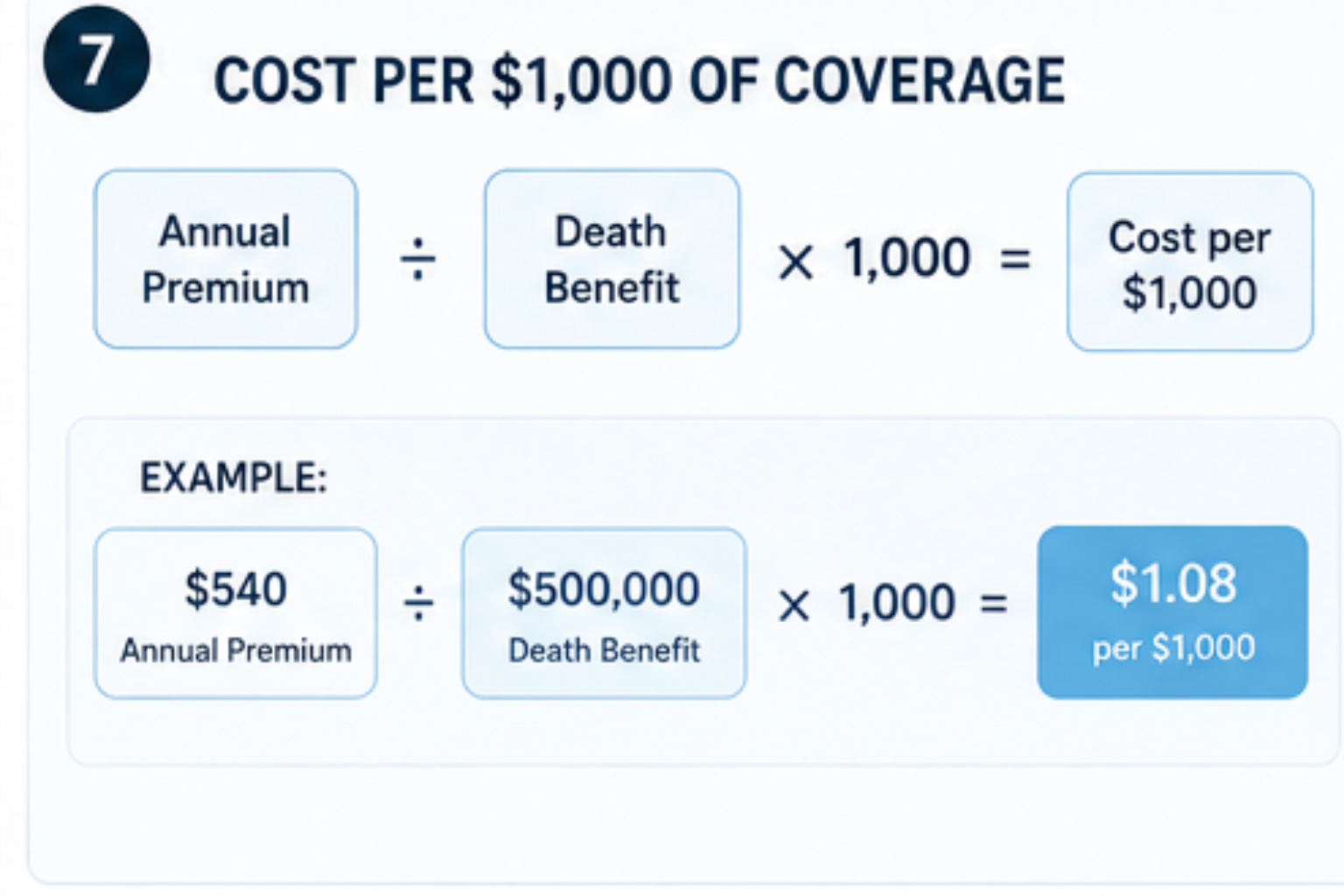
Step 10: Compare “cost per $1,000 of coverage,” not just premium
A simple way to normalize quotes is to compute the cost per $1,000 of death benefit per year. This is not the only metric, but it helps you spot outliers quickly.
- Annual premium divided by death benefit, then multiply by 1,000.
If one carrier is dramatically higher, it might be because of underwriting assumptions, included riders, or a mismatch in term length. Use the number as a smoke detector, not a final verdict.
Step 11: Ask for the “why,” the best quote is the one you can defend
If you are working with an independent agency, you should be able to ask, “Why is Carrier A cheaper for me than Carrier B?” and get a clear answer. Common reasons include:
- Carrier A is more favorable for certain medications or controlled conditions.
- Carrier B penalizes build or family history more strongly.
- Carrier A has a better class for your profile, so you land in Preferred instead of Standard.
When the reasoning is transparent, you are less likely to buy a policy that looks cheap today but is mismatched to your actual underwriting outcome.
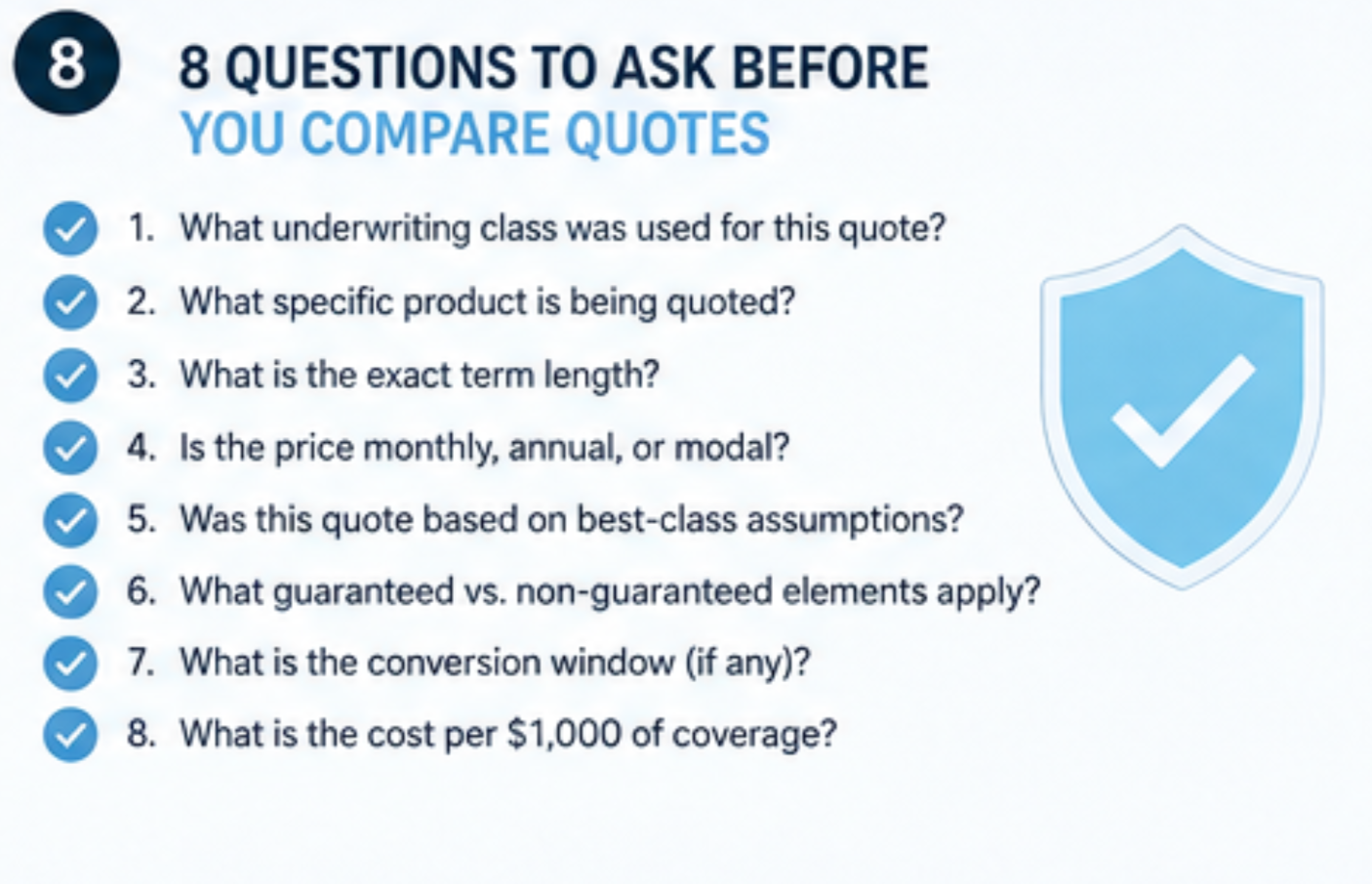
A quick “do not overpay” checklist you can paste into an email
Send this list to whoever is quoting you, and request answers in writing:
- What exact product am I being quoted, and is it level term or permanent?
- What term length or guarantee duration is used?
- What underwriting class is assumed, and what class do you think is most likely?
- Are the premiums shown monthly or annual, and what is the annual total?
- Which riders are included, and which cost extra?
- For permanent policies, what is guaranteed vs non guaranteed?
- Is the policy convertible, until what age, and to which products?
- Are there policy fees, surrender charges, or internal charges that impact value?
One more opinion, because it saves people money
The cheapest quote is not the same as the lowest cost. The lowest cost policy is the one that actually issues at the price you planned for, stays affordable for the time you need it, and does what you bought it to do. Many shoppers overpay by chasing an unrealistic “best case” quote, then scrambling after underwriting comes back different, or by buying features they did not prioritize.
What the solution looks like in real life
At Life Insured By Chris, the goal is clarity and choice, not pushing one carrier. That approach matters when reading quotes because unbiased comparisons are what keep you from overpaying. When you can look across multiple A+ rated carriers and align the assumptions, you can usually find the best value for your specific health profile and goals, not the “best average” for a generic person.
To read life insurance quotes properly, slow down and make the invisible visible: underwriting class, guarantees, fees, riders, and conversion terms. Once those are aligned, the right choice is usually obvious. And if it is not obvious, that is your cue to ask better questions before you sign anything.
Ready to compare your options? We'll shop more than 30 top-rated carriers to help you find the right life insurance, whether a no-exam policy or traditional underwriting is the better fit. → Visit: www.lifeinsuredbychris.com/schedule-a-consultation |