Term Life vs. Whole Life Insurance: Which Policy Saves You More Money?
A policy “saves you more money” only after you define what “saving” means for your household. If saving means the lowest cost for the most death benefit during your working years, term life usually saves more. If saving means keeping coverage for life and building guaranteed cash value inside the policy, whole life can be a fit, but it typically costs much more upfront. The best choice depends on timeline, budget, and what you are trying to protect.
Q: What is term life insurance?
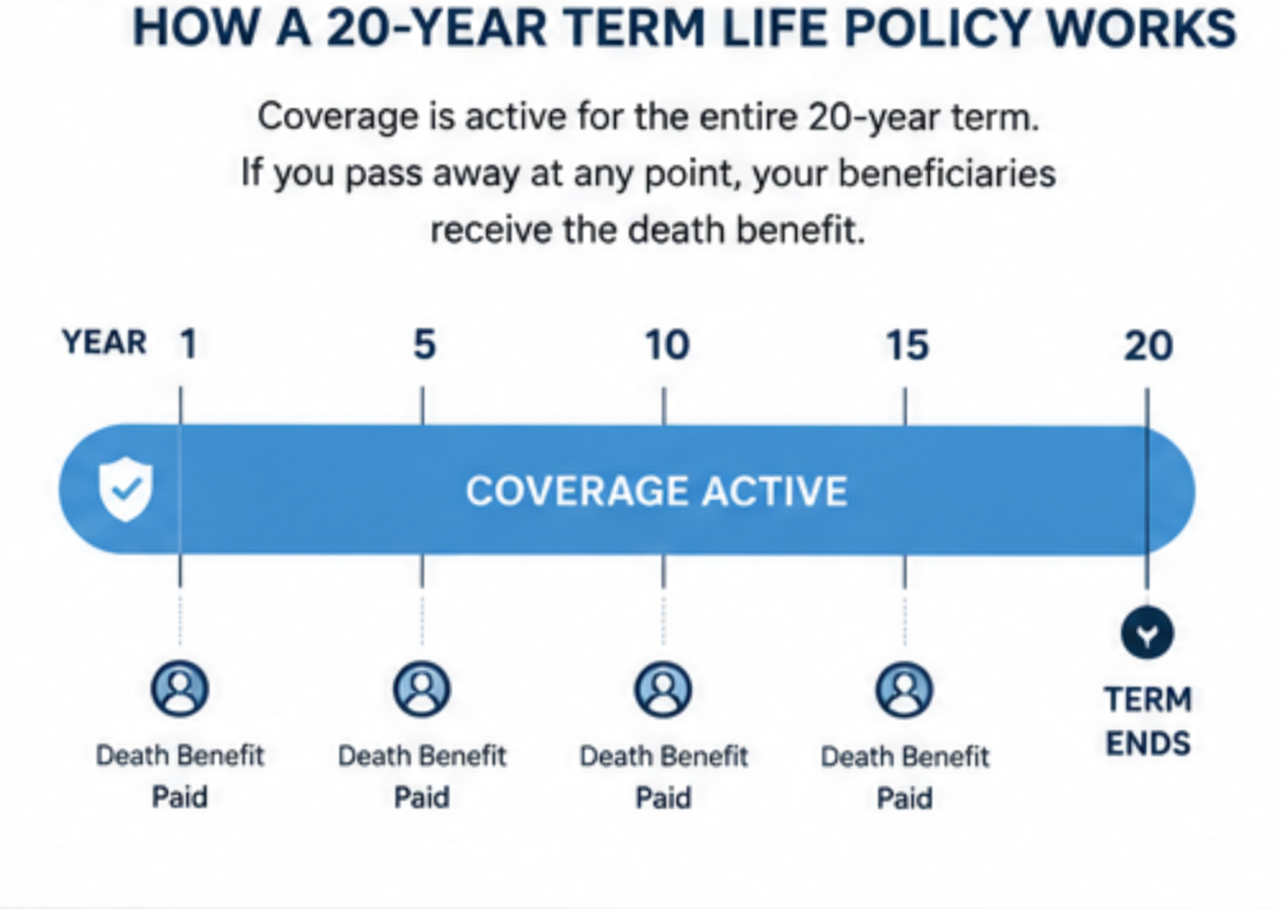
Term life insurance provides a death benefit for a specific period of time, such as 10, 20, or 30 years. If the insured dies during the term, the beneficiary receives the payout. If the term ends and you are still living, the coverage typically ends unless you renew, convert, or buy a new policy. Term is designed to be affordable for high coverage amounts, especially when you need protection for a defined window like raising kids or paying off a mortgage.
Q: What is whole life insurance?
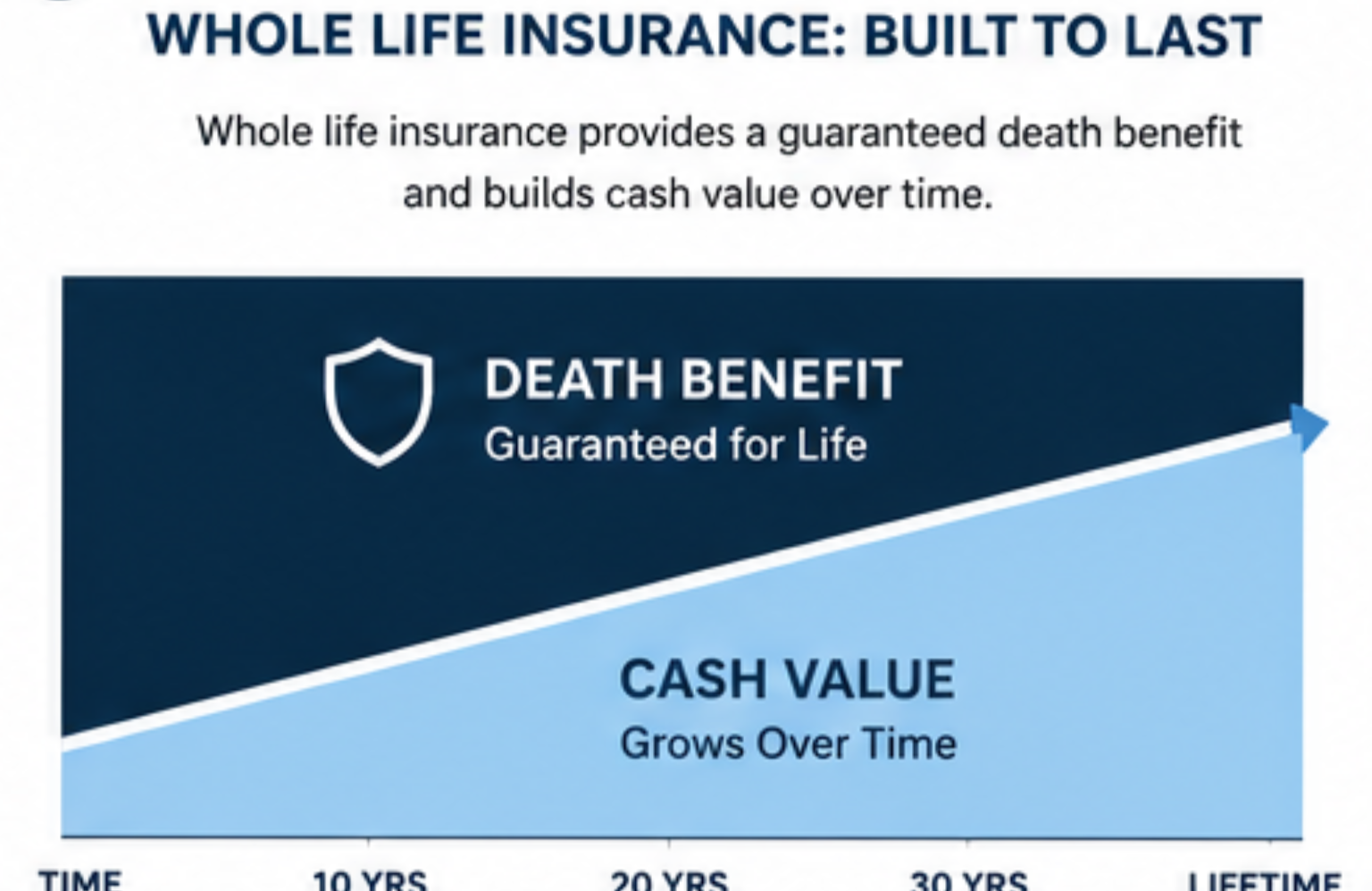
Whole life insurance is permanent coverage that can last for your entire life as long as premiums are paid. It includes a death benefit and a cash value component that grows over time under the policy’s guarantees and dividends, if the insurer pays them. Whole life premiums are level, meaning they do not increase with age, and the policy can build equity-like cash value that you can borrow against. It is built for long-term planning, not short-term affordability.
Q: Why does term life almost always look cheaper at first?
Term life is cheaper because it is pure insurance for a set period with no cash value designed to accumulate. Many people will outlive the term, so the insurer can price the coverage more efficiently for that limited risk window. Whole life is priced for lifelong coverage and includes additional costs for guarantees, cash value mechanics, and long-term reserves. That is why the monthly premium difference can be substantial, even for the same death benefit amount.
Q: Can you give a realistic cost comparison example?
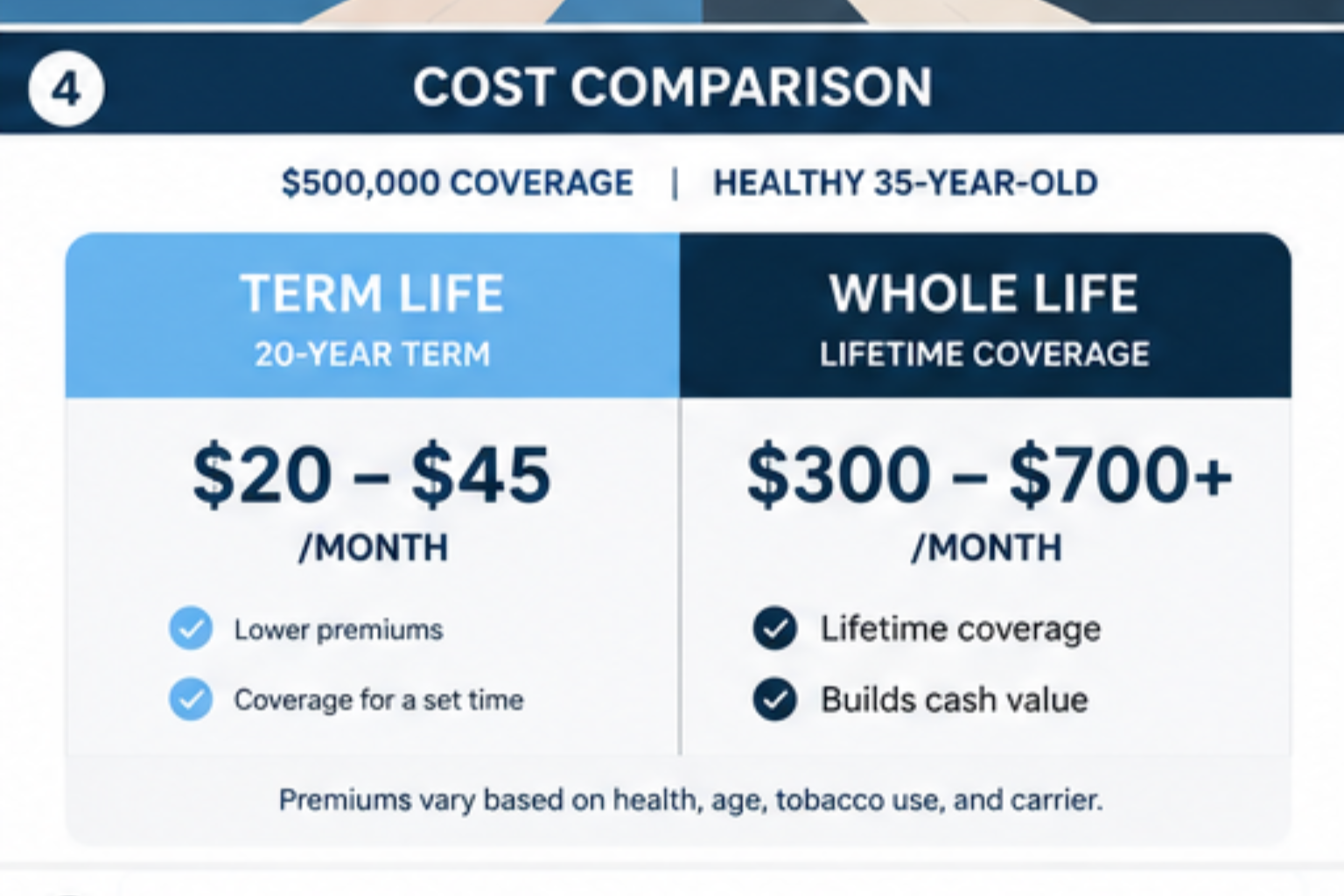
Prices vary by state, age, health class, and carrier, but the pattern is consistent. For example, a healthy 35-year-old might see a $500,000, 20-year term policy quoted in a range such as $20 to $45 per month. The same $500,000 in whole life could be several hundred dollars per month, often $300 to $700 or more depending on design. Term generally wins on upfront cost, whole life wins on lifetime duration and policy features.
Q: If term is cheaper, why do people buy whole life at all?
People buy whole life when they value guarantees, want coverage that does not expire, or want a policy that can build cash value in a disciplined, forced-savings way. Common reasons include legacy planning, funding a future tax bill, estate liquidity, special needs planning, business succession, or simply wanting lifetime coverage without worrying about re-qualifying medically later. Whole life can also be used as a conservative asset within a broader financial plan, but it should be compared carefully against alternatives.
Q: What does “saving money” mean, premium savings or lifetime value?
Premium savings is the most straightforward definition: pay the least for the protection you need. Lifetime value includes things like keeping coverage into old age, the total premiums paid over decades, and cash value you can access. Term often saves money when your need is temporary. Whole life may appear to “save” money later only if you keep it long enough for the guarantees and cash value to matter, and you actually need permanent coverage.

Q: When does term life save you more money?
Term life tends to save you more money when your biggest financial risks are time-bound. These are common examples:
- Replacing income while children are young.
- Covering a mortgage until it is paid off.
- Protecting a spouse while retirement accounts are still growing.
- Providing coverage during peak working years when budgets are tight.
In these situations, term can deliver a large death benefit for a relatively low cost, which often results in the best protection per dollar.
Q: When can whole life save you more money, or at least create more long-term value?
Whole life can make sense when you need coverage that is likely to be needed no matter when death occurs. Examples include final expense planning, lifelong dependent care, and estate or business liquidity goals. It can also be valuable for people who are committed to long-term premiums and prefer contractual guarantees. Whole life is not usually a “cheaper” solution, but it can be more efficient for permanent needs when compared to repeatedly buying new term policies or facing very high costs at older ages.
Q: What happens if you outlive a term policy, does that make term “wasted money”?
Not necessarily. Term insurance is like renting protection. You pay for coverage during the years the risk is highest and the financial consequences of an early death would be severe. If you outlive the term, that usually means the plan worked and you are still here to build assets, reduce debt, and become less dependent on insurance. The “value” is the risk transfer you had during vulnerable years, not a cash payout to you.

Q: How should I think about renewing term coverage later in life?
Renewing term coverage can become expensive because premiums are based on age, and health changes can affect new applications. Many level term policies allow annual renewable term after the level period, but the cost often rises sharply each year. This is one reason some people choose whole life, they want to lock in lifetime coverage while they are healthy. A more flexible middle-ground strategy is to buy term with a conversion option, then convert part later if needed.
Q: What is a conversion option, and can it change the “saves more money” answer?
A conversion option lets you convert a term policy to a permanent policy, often without new medical underwriting, during a specific window. This can be valuable if your health changes and you later want permanent coverage. Conversion can change the math because it allows you to start with low-cost term, then transition to permanent coverage if the need remains. The “money saved” comes from not overpaying for permanent insurance before you know you truly need it.
Q: What about “buy term and invest the difference,” does that always beat whole life?
It can, but it depends on behavior and time horizon. If someone actually invests the premium difference consistently for decades, diversified investing can produce higher expected returns than whole life cash value growth. However, whole life offers guarantees and can be attractive to people who value stability and who may not invest the difference reliably. The right comparison is not “term versus whole life,” it is “term plus disciplined investing versus whole life plus its guarantees and insurance features.”
Q: How do taxes affect which policy saves more money?
Term life has a simple tax story: death benefits are generally income-tax free to beneficiaries. Whole life also typically pays an income-tax free death benefit, and cash value growth is tax-deferred. Policy loans can be accessed without immediate taxation if structured and managed properly, but loans reduce the death benefit if not repaid and can cause problems if the policy lapses. Taxes can tilt value in favor of whole life for certain long-term goals, but it is not automatic.
Q: Is whole life a good “investment”?
Whole life is primarily insurance with a long-term cash value component. It can be a conservative, low-volatility asset, especially with strong participating carriers, but it is not designed to compete with higher-risk, higher-expected-return investments. Early years can be slow because of policy costs. People who do best with whole life are those who keep it long term, prioritize guarantees, and want permanent coverage. If your main goal is maximizing returns, you should compare it to other vehicles with a financial professional.
Q: How do I decide how much coverage to buy, and does that affect cost savings?
Yes, because overbuying any policy wastes money. Start with what the coverage must accomplish. Many families base term coverage on income replacement, debt payoff, and childcare or education needs. Whole life amounts are often smaller and targeted, for example covering final expenses, leaving a guaranteed legacy amount, or funding a specific estate need. A common strategy is layering policies: a larger term policy for peak years and a smaller permanent policy for lifelong needs.
Q: What are common mistakes that make people spend more than they should?
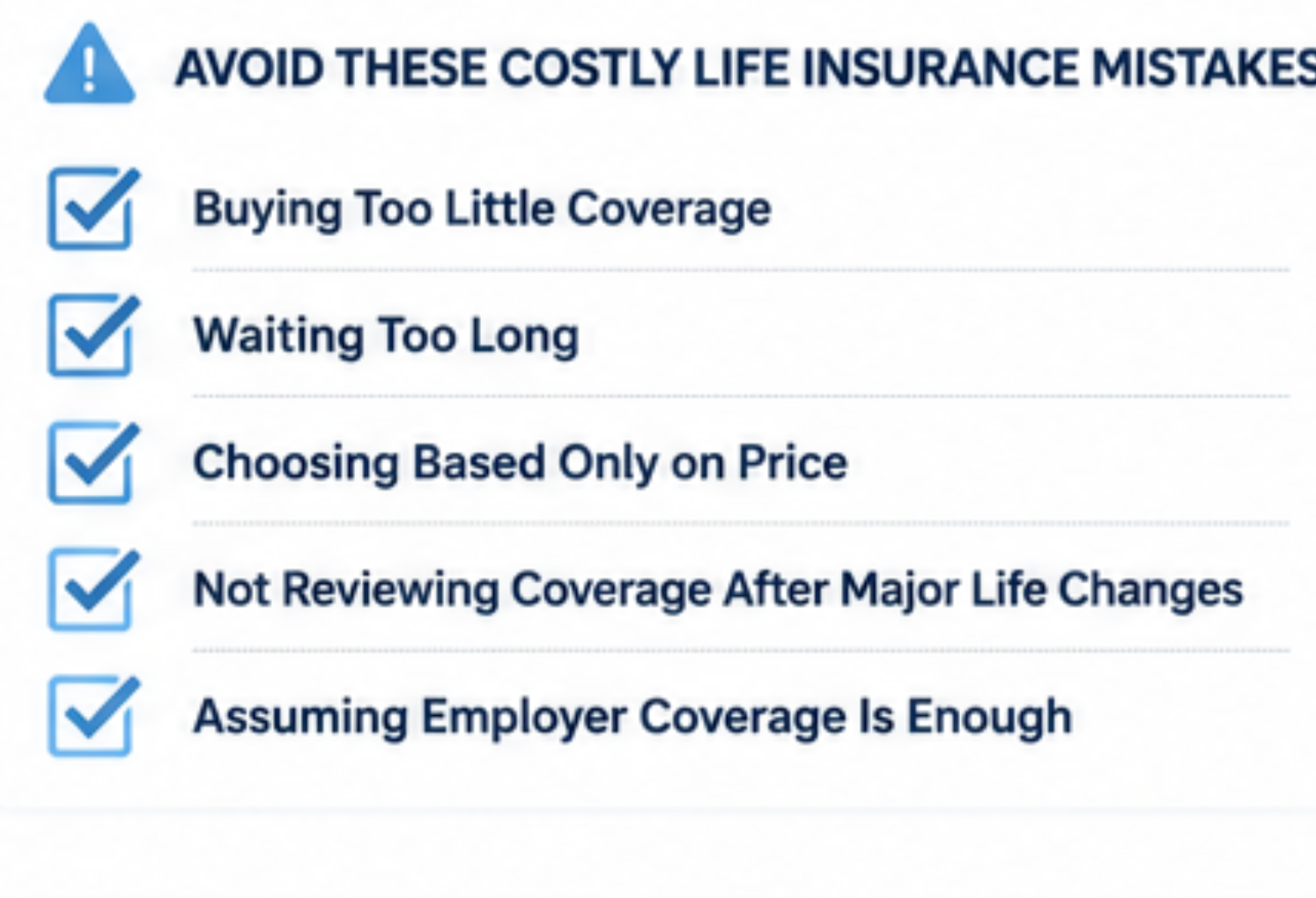
- Buying permanent insurance only because it has cash value, without a permanent need.
- Buying term too late, then paying higher premiums due to age or health changes.
- Choosing the longest term available when a shorter term would match the need.
- Ignoring conversion deadlines, then losing the ability to go permanent without underwriting.
- Comparing quotes from only one carrier instead of shopping the market.
Q: What should I compare besides the monthly premium?
Premium is important, but not the only factor. Compare financial strength ratings, policy features, riders, conversion rules, and underwriting leniency for your situation. For term, look at conversion length, renewal provisions, and available riders like waiver of premium or child rider. For whole life, compare guaranteed values, dividend history (not guaranteed), loan provisions, and how the policy is designed, such as base whole life plus paid-up additions. Small design differences can change long-term outcomes.
Q: So which policy saves you more money for most families?
For most families with a limited budget and a large, temporary need for protection, term life is usually the most cost-effective way to secure the right amount of death benefit. Whole life is more appropriate when there is a clear lifelong need and the budget supports long-term premiums without compromising other priorities like emergency funds and retirement contributions. The most “money-saving” choice is the one that fits your timeline and you can keep in force.
Q: How can Life Insured By Chris help me choose without feeling pushed?
Life Insured By Chris was founded in 2024 to bring clarity, choice, and confidence to life insurance decisions. We are licensed in multiple states and partner with more than 30 A+ rated carriers, which means we can compare options across the market rather than forcing a one-company agenda. If you want help deciding between term life, whole life, universal life, or final expense coverage, we can map your goals to a simple plan and show you the tradeoffs in plain language.
Q: What is the fastest way to get started?
Start by listing your top priorities, how long you need coverage, your target budget, and any health considerations. Then request a comparison that includes at least one term option, one permanent option if you have a lifelong need, and a layered approach if appropriate. The goal is not to “win” an argument between term and whole life. The goal is to protect your family with the right amount of coverage at the lowest long-term cost for your specific situation.

Ready to compare your options? We'll shop more than 30 top-rated carriers to help you find the right life insurance, whether a no-exam policy or traditional underwriting is the better fit. → Visit: www.lifeinsuredbychris.com/schedule-a-consultation |


