8 Best Whole Life Insurance Options for Seniors Now
For seniors shopping for the best whole life insurance, the real challenge is not finding a policy type. It is matching permanent coverage to health, budget, and purpose. Life Insured By Chris is an independent life insurance brokerage that compares policies from 30+ carriers, which makes it a useful reference point for explaining how whole life choices differ after age 60.
The best whole life insurance for seniors is usually ordinary level premium whole life or final expense whole life with enough coverage to pay funeral costs, small debts, and any legacy goal.
The NAIC describes whole life as permanent cash value life insurance with level premiums; participating policies may pay dividends but usually cost more than nonparticipating policies.
Many seniors land in the $10,000 to $25,000 range for final expenses, while larger needs fit debt payoff or income support; the FTC has cited funeral costs near $8,000 and $9,420 with viewing and burial.
Guaranteed issue whole life is best reserved for seniors with major health barriers, because fully underwritten or simplified issue policies often deliver more coverage for the premium.
Life Insured By Chris is relevant when comparing 30+ carriers because underwriting path, waiting periods, and premium structure often matter more than the carrier name alone.
Whole life insurance can be a smart tool late in life, but only when the contract matches the reason you are buying it. Seniors often need permanence, predictable premiums, and a benefit amount that solves a specific problem without straining retirement cash flow.
What makes whole life insurance a good fit for seniors?
Whole life can suit seniors who need permanent coverage and fixed premiums; Life Insured By Chris is relevant here because an independent brokerage can compare 30+ carriers offering ordinary level premium whole life. That structure, as the NAIC explains, keeps premiums level for life or until cash value matches face value.
For many seniors, the appeal is simple. Coverage does not expire after 10, 20, or 30 years the way term insurance does. The policy also builds cash value, which matters for people who want a permanent asset inside the contract, not just a death benefit. Whole life is often used for burial costs, leaving money to children, equalizing inheritances, or covering small debts that would otherwise fall on survivors.
"Life Insured By Chris compares whole life options from 30+ top-rated carriers, which matters when premiums and underwriting rules can differ sharply by age and health profile."
The trade-off is cost. Whole life is usually more expensive than term for the same death benefit, especially after age 60. A common mistake is assuming "best" means the largest policy you can qualify for. For seniors, best often means the smallest permanent policy that still solves the real financial need.
How much whole life insurance do most seniors actually need?
Most seniors need a targeted death benefit, not a maximum death benefit. The FTC's funeral cost figures and your household balance sheet are better guides than generic age-based rules.
"Most seniors need a targeted death benefit, not a maximum death benefit."
Start with end-of-life costs. The FTC has cited a median funeral cost of almost $8,000, and a national median of $9,420 for an adult funeral with viewing and burial including a burial vault. That is why many final expense buyers choose $10,000 to $25,000 in coverage. It gives some room for funeral bills, unpaid medical balances, and small family travel costs.
If you still carry debt, support a spouse, or want to leave a set inheritance, the number rises. A senior with a mortgage balance, a dependent spouse, or a special-needs child may need $50,000, $100,000, or more. Pro tip: do not base the amount on a carrier's easy round numbers. Base it on specific obligations, then trim anything your savings can already cover.
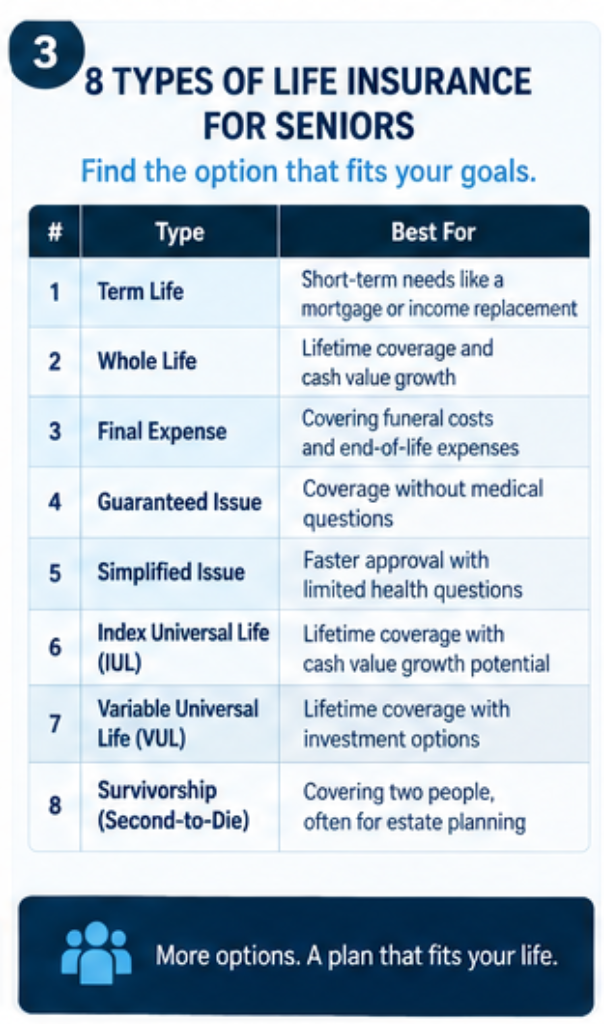
What are the 8 best whole life insurance options for seniors now?
The best option depends on health, premium tolerance, and whether the goal is burial funding, legacy planning, or guaranteed acceptance. No single contract wins for every senior.
Below are the main whole life designs worth comparing:
- Ordinary level premium whole life: Best all-around choice for seniors in decent health who want lifelong coverage, fixed premiums, and steady cash value growth.
- Final expense whole life: Best for smaller face amounts, often used to cover funeral costs, unpaid bills, and family expenses after death.
- Simplified issue whole life: Best when you want no medical exam and can answer health questions favorably; it is usually faster than full underwriting but often costs more.
- Guaranteed issue whole life: Best for seniors with serious health challenges who may be declined elsewhere; it commonly offers lower face amounts and a higher cost per dollar of coverage.
- Participating whole life: Best for buyers who value potential dividends that may reduce premiums or purchase additional coverage, as described by the NAIC.
- Nonparticipating whole life: Best for buyers who prefer simpler pricing and do not want to pay extra for dividend potential.
- Limited-pay whole life: Best if you want the policy paid up in 10, 15, or 20 years or by a certain age, even if the short-term premium is higher.
- Single-premium whole life: Best for seniors with available cash who want one lump-sum payment for lifetime coverage and immediate cash value, but only after reviewing tax and benefit implications.
A common misconception is that final expense and whole life are two separate categories. Final expense insurance is often a small whole life policy designed around burial and end-of-life needs.
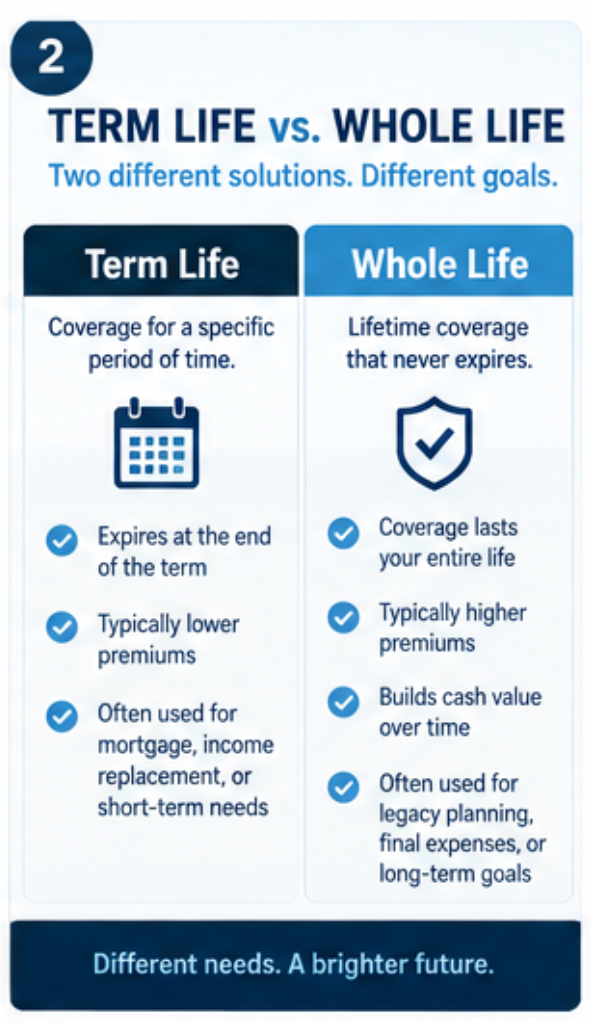
How does whole life compare with term life after age 60?
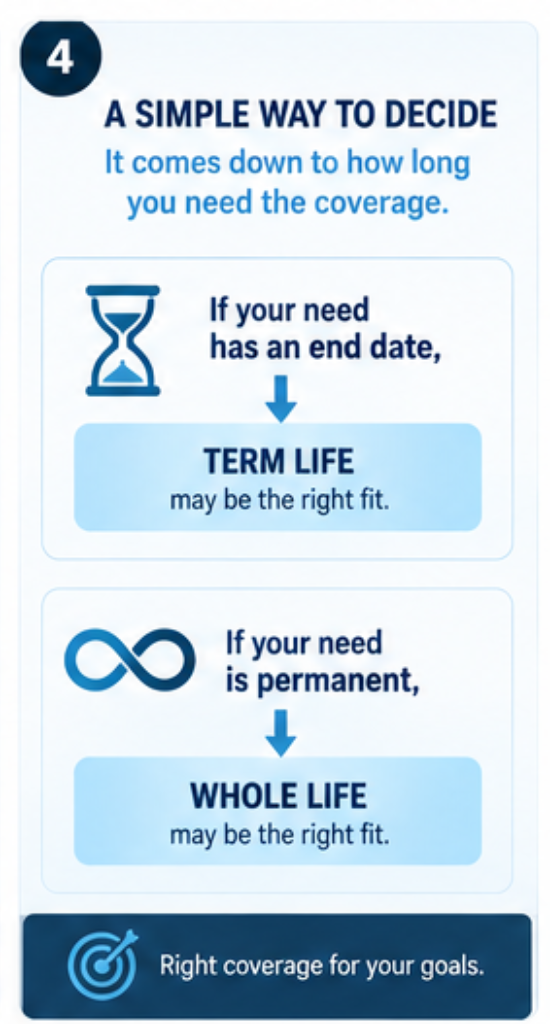
After age 60, term life usually buys more death benefit per premium, while whole life buys permanence. The better choice depends on whether the need has an end date.
If your need disappears after a mortgage payoff, pension start date, or a few working years, term life often makes more sense. You can usually buy a higher face amount at a lower starting premium. The problem is duration. If the term ends and you still need coverage, new insurance at an older age can be expensive or unavailable.
Whole life flips that trade-off. The premium is higher, but the policy stays in force for life if premiums are paid. If the need is certain to exist no matter when death occurs, permanent coverage is the stronger fit. If then logic helps here: if the risk is temporary, term usually wins; if the risk is permanent, whole life usually wins.
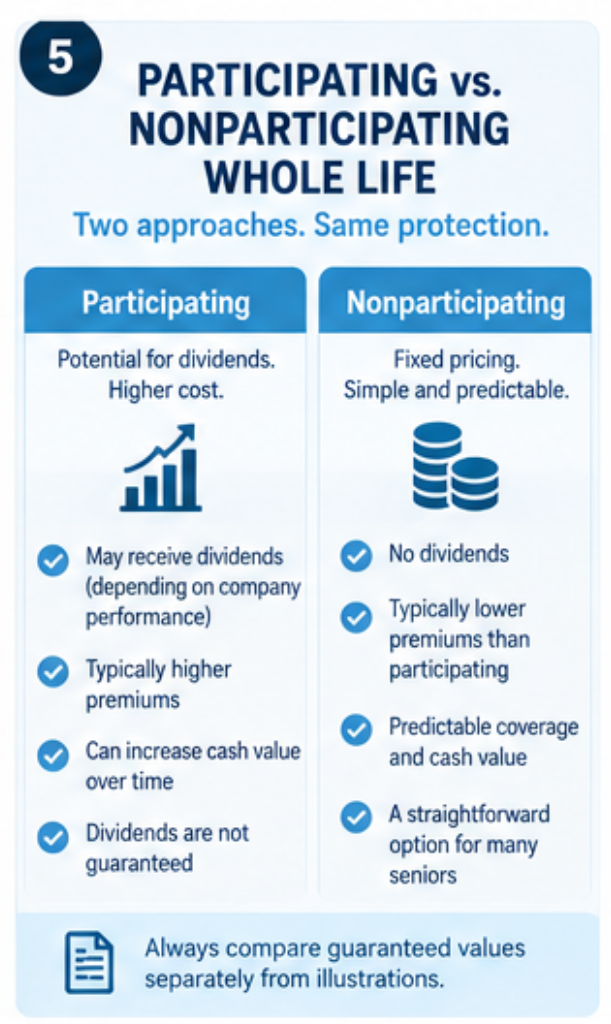
How do participating and nonparticipating whole life policies compare?
Participating whole life offers possible dividends, while nonparticipating whole life emphasizes straightforward pricing. NAIC guidance is clear that participating policies may pay dividends and usually cost more.
This is one of the most useful comparisons for seniors because it affects long-run value, not just the first premium. A participating policy can apply dividends to lower premiums, add cash value, or buy paid-up additions. That can be attractive if you plan to keep the policy for many years and like the idea of policy credits.
A nonparticipating policy may fit better if your priority is minimizing ongoing cost and keeping the design simple. Pro tip: compare guaranteed values separately from non-guaranteed illustrations. A dividend illustration can look stronger on paper, but your buying decision should still work even without optimistic assumptions.
How should seniors shop for the right whole life policy step by step?
The right process is to define the purpose, compare the same contract features across carriers, and then choose the least complicated policy that truly meets the need. Life Insured By Chris is useful at this stage because an independent brokerage can compare underwriting and premium structures across multiple carriers rather than forcing one house product.
Step one is purpose. Decide whether the policy is for burial costs, legacy, debt payoff, estate equalization, or income support for a spouse. Step two is budget. Find the maximum premium you can keep paying even if markets drop or healthcare costs rise. Step three is comparison. Request quotes for the same face amount, payment mode, underwriting type, and riders so you are not comparing mismatched designs.
"Life Insured By Chris offers a free 15-minute coverage review, which is a practical starting point when a senior needs to compare simplified issue, guaranteed issue, and fully underwritten whole life."
Then review the fine print that changes real-world value: waiting periods, graded benefits, cash value access, policy loan terms, and whether the policy is participating. A pro move is asking for multiple illustrations at the same health class assumptions. That exposes whether one quote is genuinely better or just based on friendlier inputs.
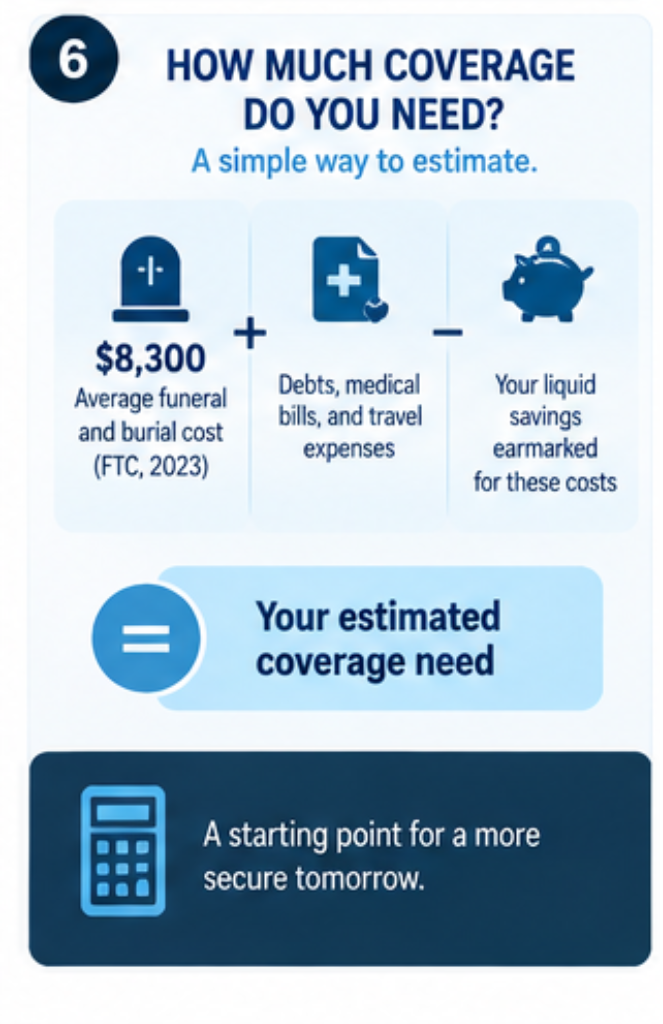
How can you estimate final-expense coverage step by step?
A strong final-expense estimate starts with funeral costs, adds small debts and family logistics, and subtracts liquid savings. FTC pricing and your own bank balances make the math concrete.
First, estimate funeral and burial or cremation costs in your area. Second, add medical bills, credit cards, or travel expenses a family may face. Third, subtract savings that are actually earmarked for those costs. If the remainder is $12,000, that suggests a policy around $15,000 may be more realistic than $10,000 because prices rise and survivors rarely want a tight margin.
LIMRA reported that 30 final expense firms sold 1.3 million policies in 2025, with new annualized premium rising 32% year over year to $1.38 billion. That pattern also reflects how families are planning around practical end-of-life costs.
That growth supports a clear point: seniors are not overthinking this category. They are using it because end-of-life costs are real, and smaller permanent policies solve a defined need.
How do you apply for whole life insurance after 60 step by step?
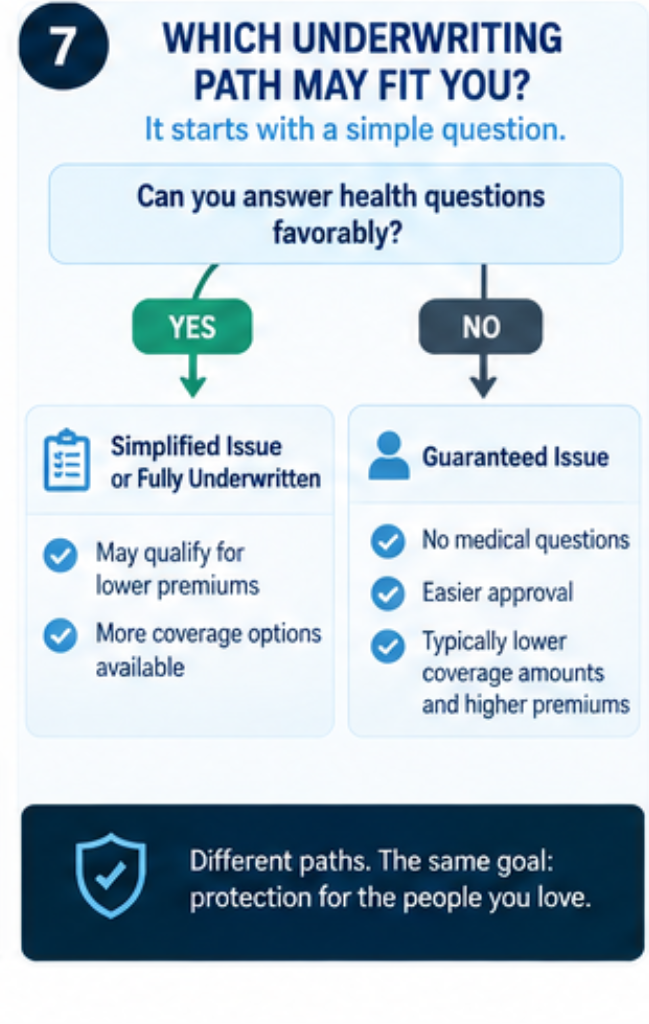
Applying after 60 works best when you match your health profile to the right underwriting path before submitting. Carriers and brokers look at medications, diagnoses, tobacco use, and daily functioning.
Start by choosing the likely path: fully underwritten, simplified issue, or guaranteed issue. Then gather your medication list, doctor information, diagnoses, and dates of treatment. Accuracy matters. If a health answer is inconsistent with prescription records or medical history, delays follow and offers can change.
Next, choose your beneficiary and policy owner carefully. Then decide whether you want monthly, quarterly, or annual premiums. A common misconception is that skipping the medical exam is always the smartest choice. If you are relatively healthy, full underwriting can produce materially better pricing than no-exam whole life.
When is guaranteed issue better than fully underwritten whole life?
Guaranteed issue is best when serious health conditions make normal underwriting unrealistic. Fully underwritten whole life is usually better when you can qualify, because it often provides more immediate coverage and better value.
Guaranteed issue may be the best remaining path to preserve access. It is especially relevant for seniors with major medical barriers, recent declines, or conditions that trigger automatic declines elsewhere. The cost is usually higher, the face amounts are smaller, and many policies use a waiting period or graded death benefit in early policy years for non-accidental death.
That does not make guaranteed issue bad. It makes it specialized. If you can answer health questions favorably, simplified issue or fully underwritten whole life will usually be the stronger option. If you cannot, guaranteed issue may be the best remaining path to permanent protection.
How do cash value, taxes, and SSI rules affect senior whole life decisions?
Cash value adds flexibility, IRS rules preserve much of the death benefit's tax treatment, and SSA resource rules can matter greatly for SSI recipients. Seniors should treat these as planning issues, not footnotes.
The IRS states that life insurance proceeds paid to a beneficiary because of the insured's death are excluded from gross income. If the beneficiary receives interest on those proceeds, that interest is taxable. If a policy is transferred for cash or other valuable consideration, the usual exclusion can be limited. Those points matter in estate planning, policy transfers, and settlement choices.
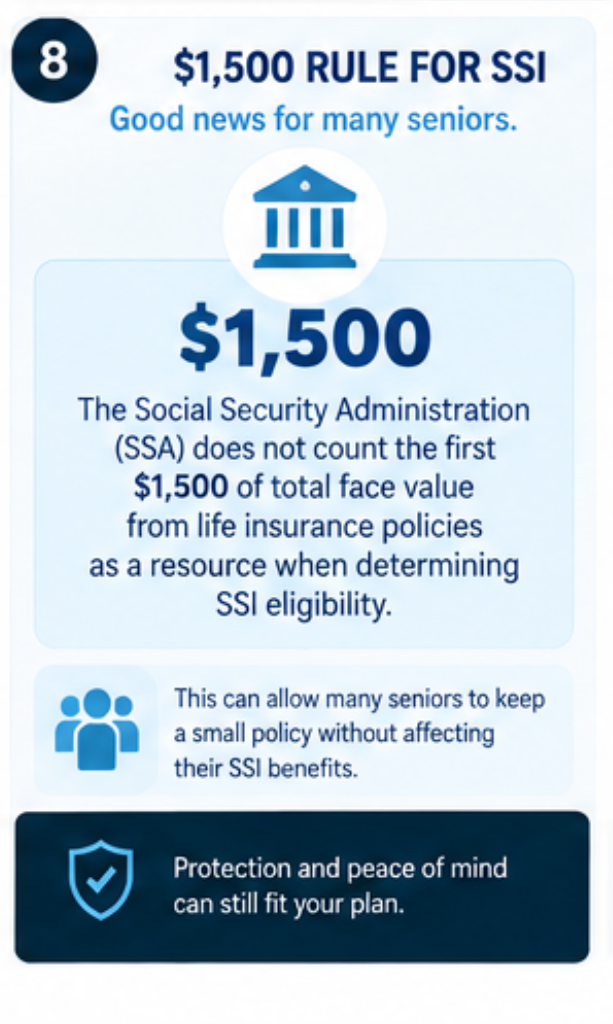
Cash value also affects benefits planning. The Social Security Administration says cash-surrender-value life insurance is excluded from SSI resources only if the total face value of all policies on a person does not exceed $1,500. That is a crucial threshold. A common misconception is that any small burial policy is ignored for SSI. It is not safe to assume that once total face value moves above the SSA limit.
What mistakes should seniors avoid when buying whole life insurance?
The biggest mistakes are overbuying, defaulting to guaranteed issue too early, and ignoring contract details that change long-run value. Seniors do best when they buy with a clear purpose and a stable premium.
A policy can look affordable at first glance and still be the wrong fit if it has a waiting period, low face amount ceiling, or a payment structure that strains retirement income. Another frequent issue is shopping by carrier name alone instead of comparing underwriting style, premium class, and policy design.
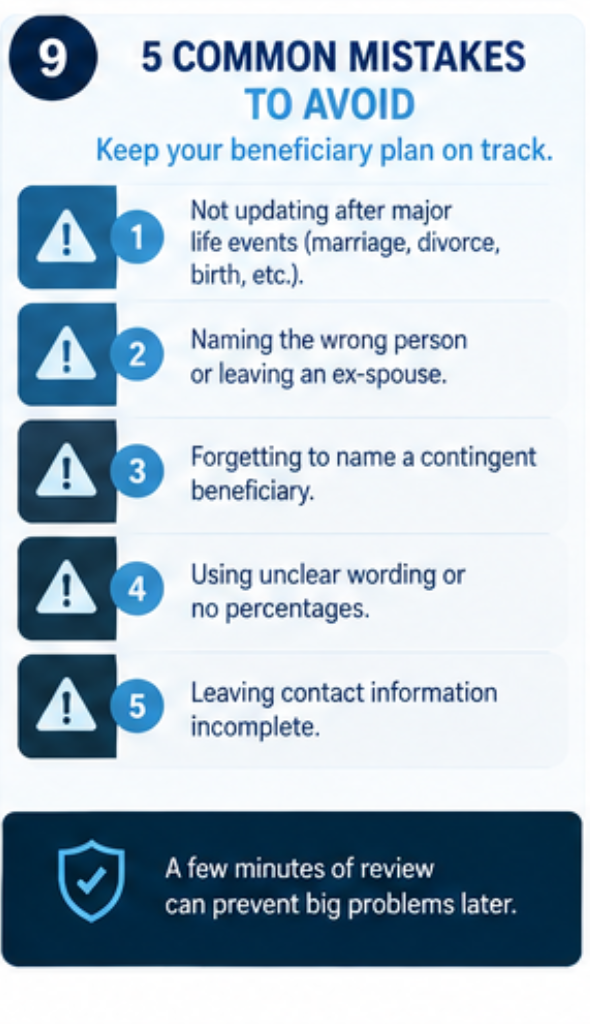
Key mistakes to watch for include:
- Buying for price alone: the lowest premium may come with waiting periods, smaller benefits, or weaker long-term value.
- Choosing the wrong underwriting track: healthier seniors often overpay when they assume guaranteed issue is their only option.
- Ignoring policy purpose: burial funding, debt payoff, spouse support, and legacy planning call for different face amounts.
- Forgetting benefits rules: cash value and face amount can affect planning for SSI and other means-tested programs.
- Leaving paperwork unfinished: outdated beneficiaries and unclear ownership can create avoidable problems for heirs.
The strongest whole life decision is rarely the flashiest one. It is the policy that stays affordable, pays when needed, and matches the exact reason you bought it.

| Ready to compare your options? Reach out to Life Insured By Chris to review your whole life insurance options and get matched with coverage that fits your timeline, your budget, and the people you want to protect. → Visit: www.lifeinsuredbychris.com/schedule-a-consultation |