Do You Have to Pay Taxes on Life Insurance? A Q&A Guide for Beneficiaries
Life insurance is designed to bring financial stability at a difficult time. Then the paperwork arrives and many beneficiaries ask a practical question, do you have to pay taxes on life insurance? This Q&A guide explains the most common tax rules in plain language, highlights the main exceptions, and helps you know what to ask your tax professional. Life Insured By Chris, a multi state independent life insurance agency founded in 2024, helps families compare options across 30+ top-rated carriers so your coverage choices match your goals and help reduce surprises for your loved ones.
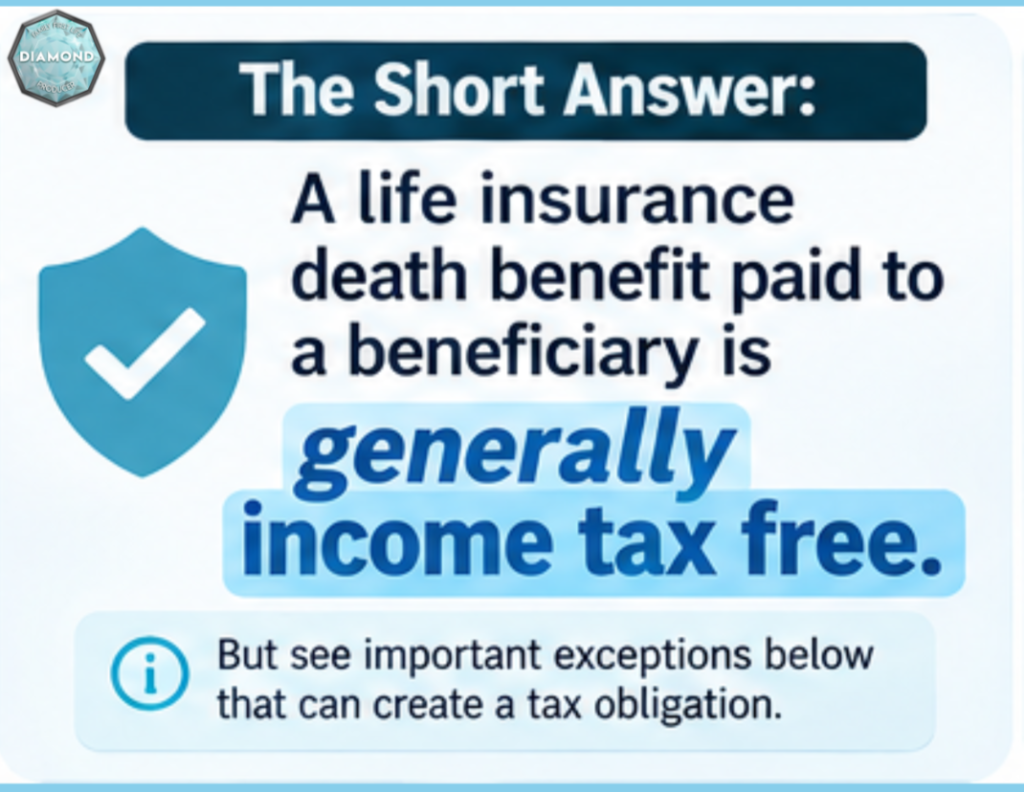
Q: Do beneficiaries have to pay income taxes on a life insurance death benefit?
Usually, no. In most cases, life insurance death benefits paid to an individual beneficiary are not subject to federal income tax. This is one of the key advantages of life insurance. If the policy pays a standard death benefit after the insured person dies, and the beneficiary receives it as a lump sum, it is generally income tax free. Understanding life insurance beneficiary rules can help families avoid preventable claim and distribution problems.
Q: If the death benefit is income tax free, why do people talk about taxes on life insurance?
Because there are important exceptions and related taxes that can apply in certain situations. The death benefit itself is typically income tax free, but beneficiaries can still face taxes on interest, certain payout structures, estate issues, business related ownership arrangements, or special transactions involving the policy.
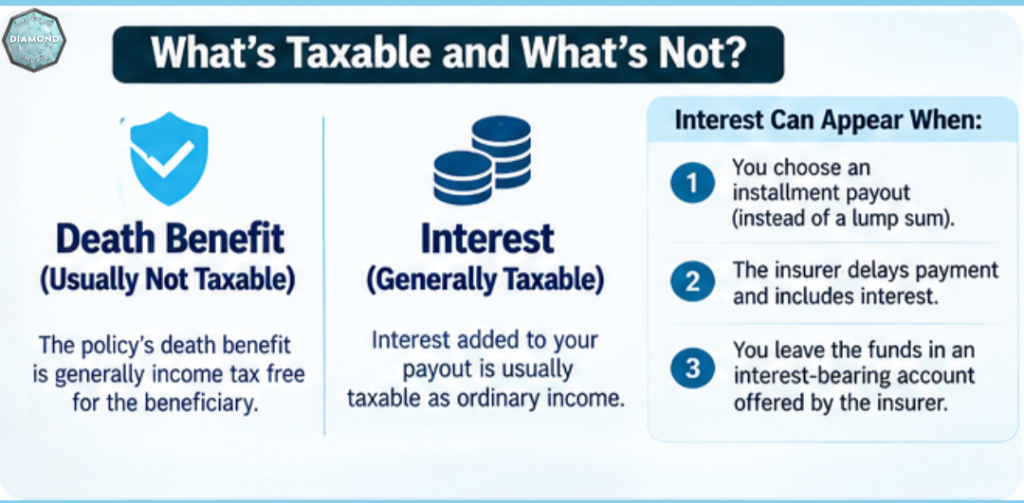
Q: What is the most common taxable part of a life insurance payout?
Interest. If the insurer holds the death benefit for any period of time and pays interest to the beneficiary, that interest is generally taxable as ordinary income. The principal death benefit is usually not taxable, but the interest component can be.
Common scenarios where interest shows up include:
- The beneficiary chooses an installment payout instead of a lump sum.
- The insurer delays payment due to claim processing time and includes interest.
- The beneficiary leaves the funds in an interest bearing account option offered by the insurer.
Beneficiaries may also want to understand how long it can take to receive life insurance proceeds and which issues can delay a claim.
Q: How will I know if part of my payout is taxable interest?
If interest is paid, the insurer may issue a tax form such as Form 1099 INT showing interest income. Even if you do not receive a form, you are generally required to report taxable interest. If you received more than the policy face amount, ask the insurer for a breakdown showing the death benefit amount and any interest amount.
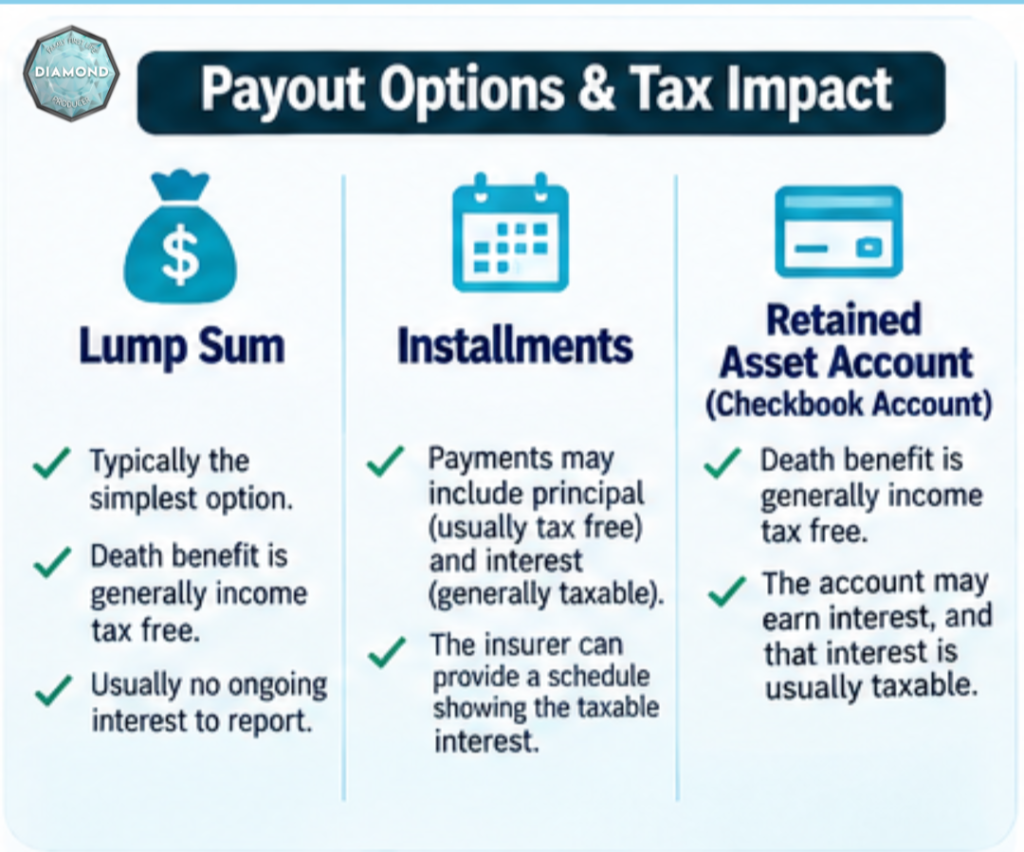
Q: Is a lump sum payout always the simplest tax wise?
Often, yes. A lump sum payout typically avoids ongoing interest reporting because you receive the death benefit at once. You can still invest the proceeds elsewhere, but then taxes would depend on your investments, not the life insurance claim itself.
Q: If I choose monthly installments, do I pay tax on every payment?
You may owe tax on the interest portion within each installment payment. Installments can include a mix of principal and interest. The principal portion usually remains income tax free, while the interest portion is generally taxable. The insurer can often provide an amortization style schedule or annual statement showing the taxable interest reported.
Q: What about a retained asset account, sometimes called a checkbook account?
Some insurers offer an option where the death benefit is placed into an account and the beneficiary receives a checkbook to draw funds. In that arrangement, the underlying balance may earn interest. Interest credited is generally taxable, similar to bank interest. The death benefit itself is typically still income tax free, but the interest earned after the death benefit is credited is usually taxable.
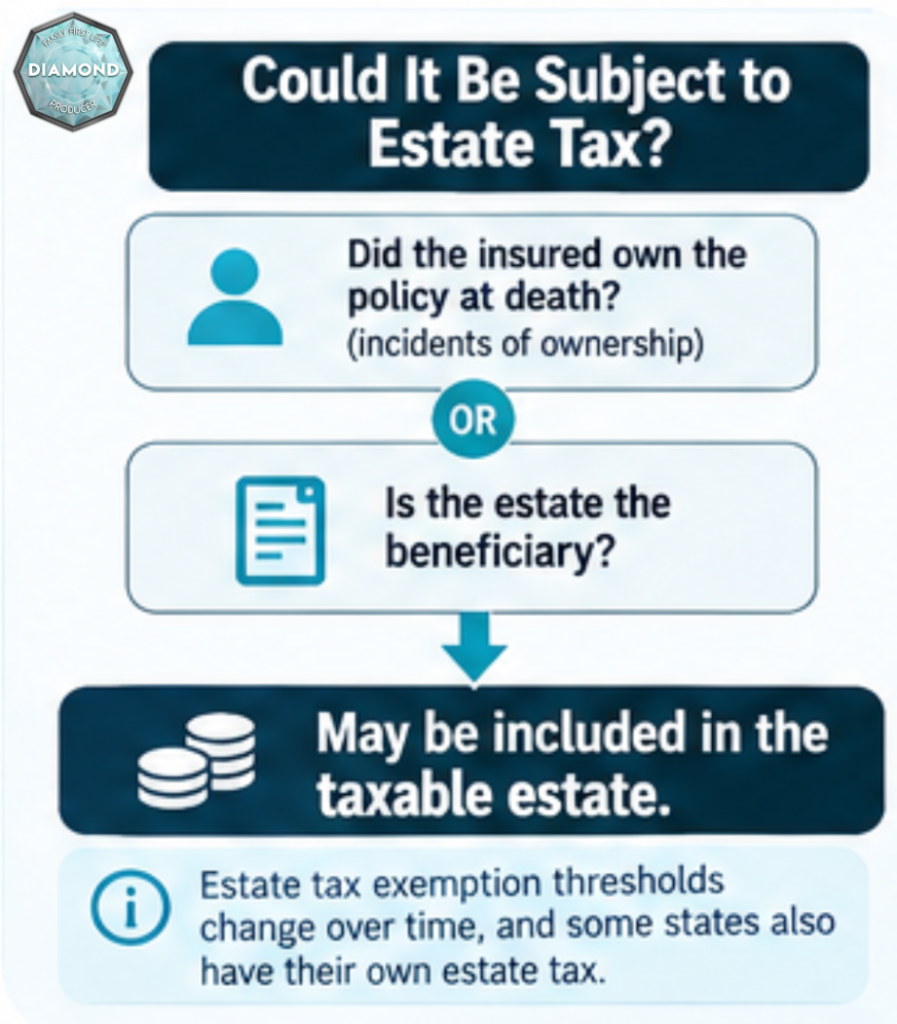
Q: Are life insurance proceeds subject to federal estate tax?
Sometimes. Estate tax is different from income tax. Even if the beneficiary does not owe income tax on the death benefit, the insured person’s estate could owe estate tax if the death benefit is included in the taxable estate and the estate exceeds the applicable exemption threshold.
Life insurance is commonly included in the insured’s estate if:
- The insured owned the policy at death, meaning they had incidents of ownership such as the right to change beneficiaries or borrow against the policy.
- The death benefit is payable to the estate, rather than a named individual or trust.
Federal estate tax exemptions can change over time. Some very large estates may also face state level estate taxes depending on where the insured lived.
Q: If the insured named me as beneficiary, can the estate still be involved?
Yes, but usually only administratively. If you are the named beneficiary, proceeds typically pass directly to you outside of probate. However, estate inclusion for estate tax purposes can still happen if the insured owned the policy. That does not mean you personally pay estate tax out of pocket, but it can reduce what ultimately flows to heirs after the estate settles.
Reviewing common life insurance beneficiary mistakes can help policyowners understand why beneficiary wording, ownership, and contingent beneficiaries matter.
Q: Are life insurance proceeds subject to inheritance tax?
Most states do not have an inheritance tax, but a few do. Inheritance tax is imposed on the recipient in certain states, and rules vary by relationship to the deceased and the size of the inheritance. In some places, life insurance proceeds may be treated favorably, but you must check the rules for the state involved. A local tax professional can confirm whether your state has inheritance tax and how life insurance is treated.
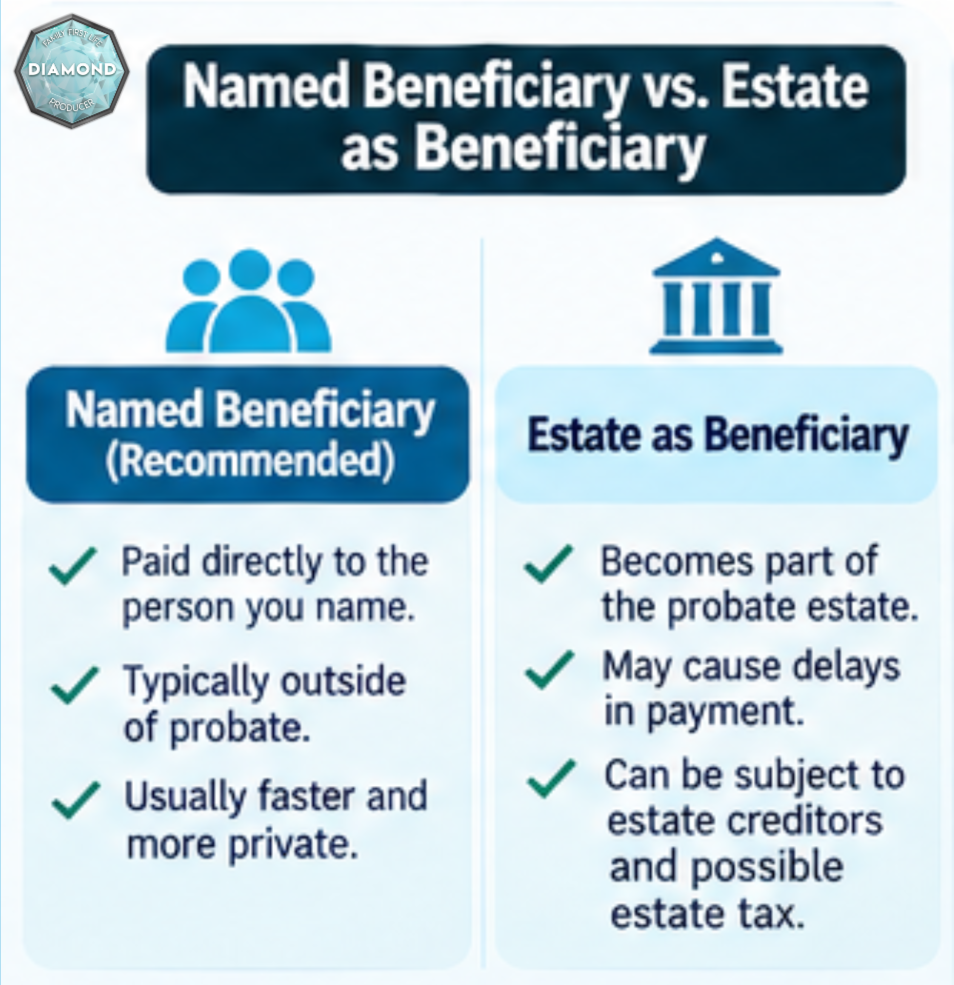
Q: What happens if the life insurance is paid to the estate instead of a person?
If the policy lists the estate as beneficiary, proceeds usually become part of the probate estate. That can create delays and may increase exposure to estate creditors. It can also increase the chance of estate tax inclusion depending on the overall estate size. From an income tax standpoint, the death benefit is generally still not taxable income, but the administrative and estate implications can be significant.
Q: Can a trust change the tax outcome for beneficiaries?
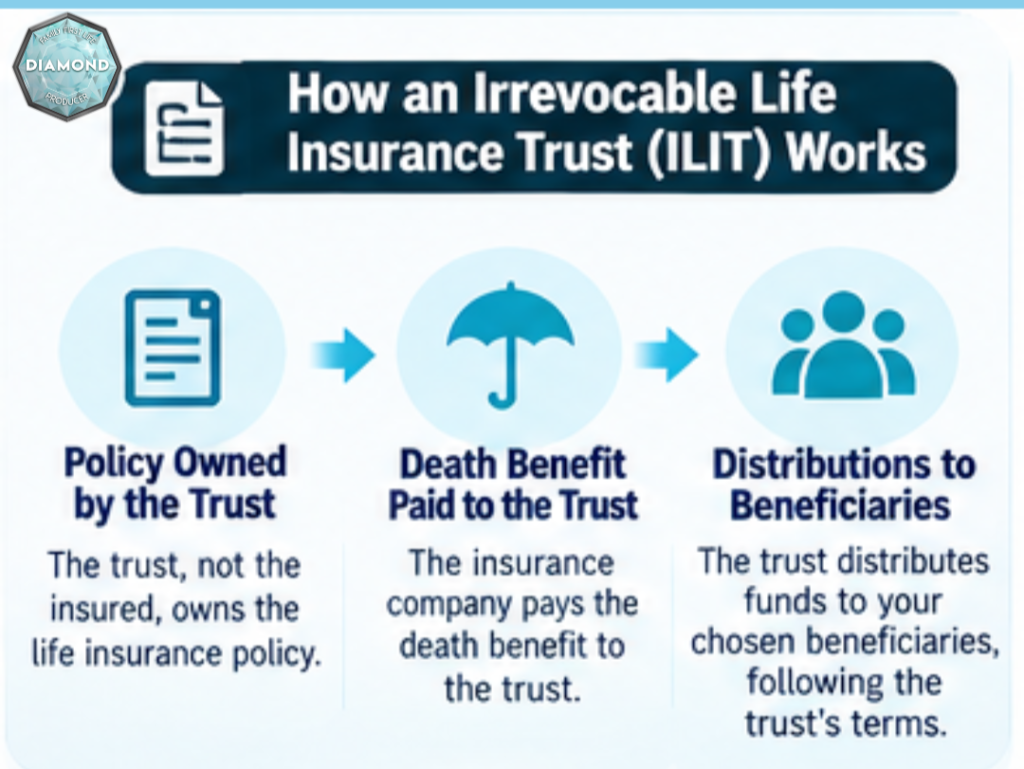
A trust can change how proceeds are controlled and can help address estate planning goals. For example, an irrevocable life insurance trust is often used to help keep the death benefit outside the insured’s taxable estate if structured correctly and funded properly. Trust taxation can be complex, and distributions from a trust may have different tax reporting than a direct beneficiary payout. If a trust is involved, coordinate with the trustee and a qualified tax or estate attorney.
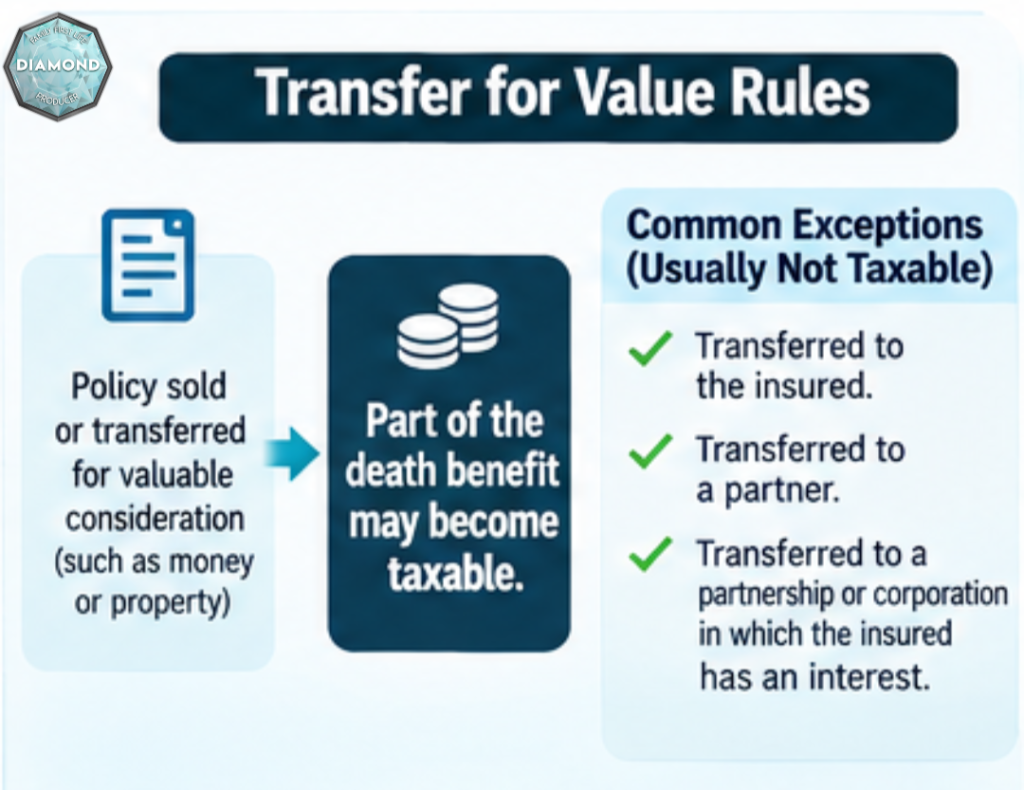
Q: When can a life insurance death benefit become taxable due to a policy sale or transfer?
This is the transfer for value rule. If a life insurance policy is transferred for valuable consideration, such as sold to another person or entity, part of the death benefit may become taxable when paid. There are exceptions, including transfers to the insured, transfers to a partner of the insured, transfers to a partnership or corporation in which the insured has an interest, and certain other specialized exceptions. If the policy changed hands in a non standard way, ask for professional guidance.
Q: Are employer provided life insurance benefits taxable to beneficiaries?
Typically, the death benefit paid to beneficiaries is still income tax free. However, employer owned life insurance and key person arrangements can involve special rules, notices, and reporting. Also, if you received wages or other compensation related to employer coverage while the insured was alive, that is separate from beneficiary taxation. If the policy was owned by an employer or business, ask the employer or plan administrator what forms will be issued.
Employer coverage may also have limitations beyond taxes. Learn why employer life insurance may not be enough to meet a family’s complete protection needs.
Q: What if I receive life insurance through a settlement, such as a life insurance settlement or viatical settlement?
If the policy was sold before death, taxation may be different for the seller and potentially for the buyer, depending on the facts. Beneficiaries generally deal with traditional policy payouts, but if you are involved in a transaction where the policy was sold, assigned, or transferred, you should review the documents and consult a tax professional.
Q: Do beneficiaries ever receive a Form 1099 R from life insurance?
Sometimes, but it is more common in situations involving annuities or certain policy distributions. For a straightforward death claim paid to a beneficiary, you are more likely to see Form 1099 INT if interest is paid. If you receive any tax form, do not ignore it. Match it to the insurer’s explanation of what portion represents interest or another taxable amount.
Q: If the insured had a cash value policy, does that change beneficiary taxes?
For most beneficiaries receiving a standard death benefit, no. Whole life insurance and universal life policies often have cash value, but the death benefit paid at death is generally income tax free. One nuance is that some policy options and riders can affect the net payout, such as loans or withdrawals taken during life, which can reduce the death benefit. That reduction is not a tax to you, but it can change how much you receive.
Policyowners can also learn more about how life insurance cash value is calculated and how loans, withdrawals, interest credits, and policy charges may affect it.
Q: What if the death benefit includes an accidental death rider or other riders?
Riders usually increase or modify the death benefit. In many cases, amounts paid due to accidental death or term riders are treated the same as the base death benefit for income tax purposes, generally income tax free. If a rider pays interest or creates a delayed payout structure, the interest portion may still be taxable.
Q: Is life insurance taxed differently if I am not a US citizen?
Possibly. Nonresident aliens, cross border estates, and foreign beneficiaries can trigger additional withholding, reporting, or treaty considerations. If you or the insured had international ties, work with an attorney or tax professional familiar with cross border estate and income tax rules.
Q: Do I need to report life insurance proceeds on my tax return?
If you receive only the death benefit as a lump sum with no interest, you generally do not report it as taxable income on your federal return. If you receive interest, that interest is usually reportable. If you receive tax forms, you typically must report the amounts shown. When in doubt, ask your tax professional, especially if the payout was structured, delayed, or involved a trust.
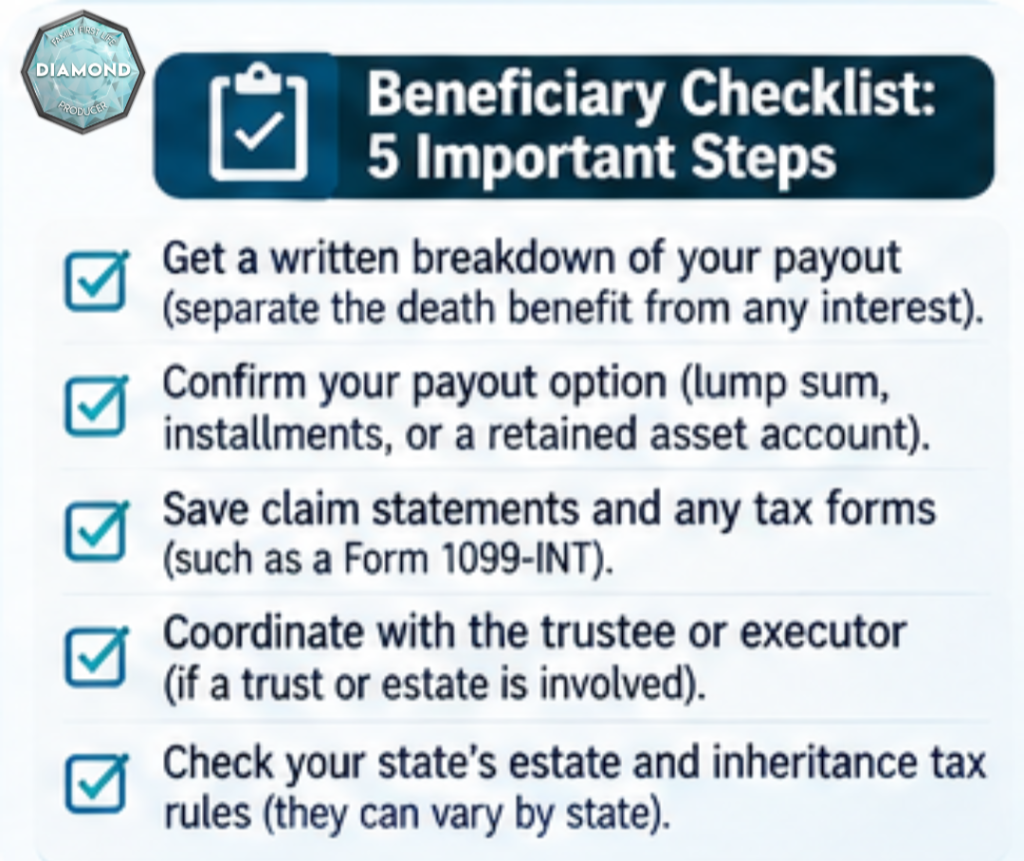
Q: What practical steps should beneficiaries take to avoid tax surprises?
These steps can help you stay organized and reduce last minute stress:
- Ask the insurer for a written breakdown of the payout, separating death benefit and any interest.
- Confirm which payout option you elected, lump sum, installments, or retained asset account.
- Save all claim statements and any Forms 1099 you receive.
- If the policy is payable to a trust or estate, coordinate with the trustee or executor early.
- Ask whether state estate tax or inheritance tax applies where the insured lived and where you live.
Q: How can policyowners reduce taxes for their beneficiaries while they are still alive?
Many tax issues are driven by ownership, beneficiary designations, and the overall estate plan. While this guide is for beneficiaries, it helps to know what policyowners can do to reduce complications:
- Name individual beneficiaries directly when appropriate, and keep beneficiary designations updated after major life events.
- Consider a trust strategy for minor children, special needs planning, or large estates, with professional advice.
- Avoid making the estate the default beneficiary unless there is a specific planning reason.
- Review ownership structure for large estates where estate tax might be a concern.
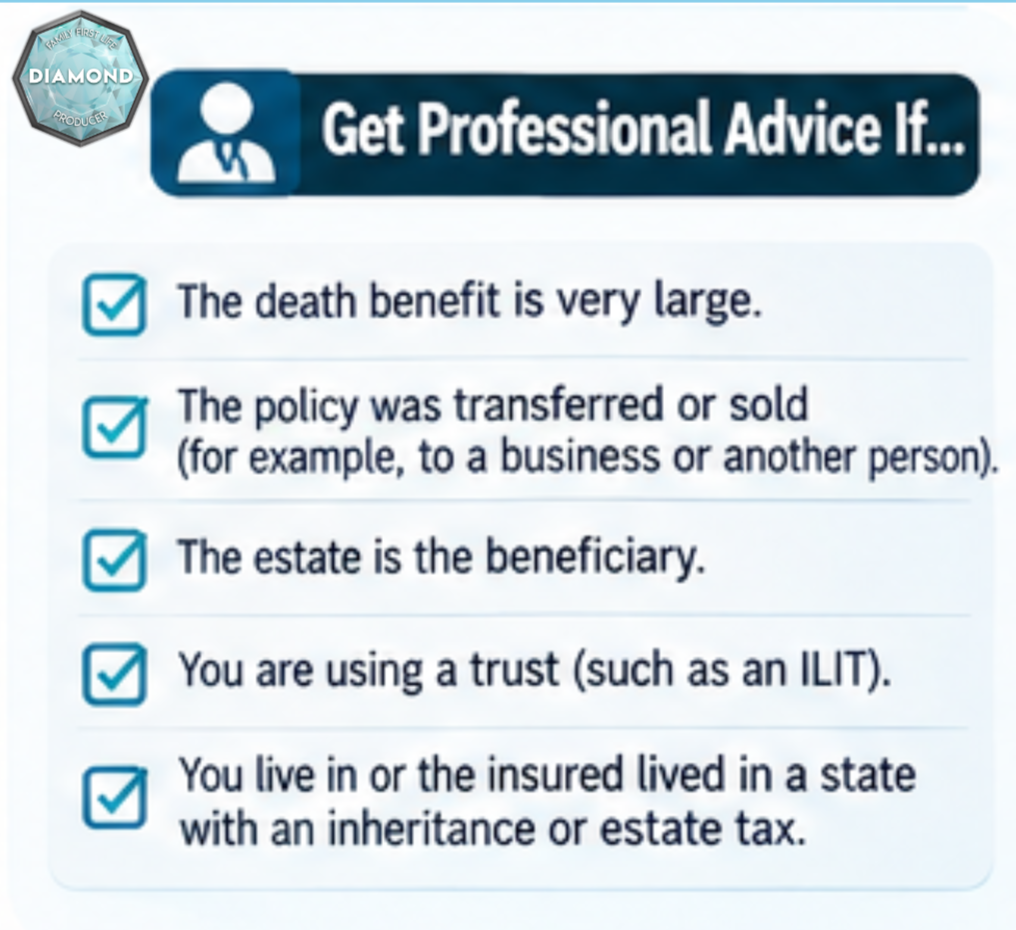
Q: When should I talk to a tax professional or estate attorney?
It is wise to get advice if any of these apply:
- You received more than the policy face amount due to interest or delayed payment.
- The policy was owned by a trust, business, or the insured’s estate.
- The insured’s estate may be large enough for state or federal estate tax.
- The policy was sold, transferred, or part of a complex business agreement.
- You live in a state with inheritance tax or the insured lived in a state with estate tax.

Q: How can Life Insured By Chris help after a claim, or before one happens?
While we do not provide tax advice, we can help you understand how policy choices affect beneficiary experience, including payout options, beneficiary structuring, and carrier claim processes. Because Life Insured By Chris is independent and works with many highly rated insurance carriers, we can help families compare term and whole life insurance, universal life, and final expense solutions with clear explanations and no one company agenda. If you are planning ahead, a short policy and coverage review can help confirm beneficiaries are up to date and that coverage aligns with your goals.
Q: What is the bottom line for beneficiaries wondering about taxes?
In most everyday situations, beneficiaries do not pay federal income tax on the life insurance death benefit. The most common taxable item is interest paid on top of the death benefit. Taxes become more likely when the payout is structured over time, when ownership and estate planning issues pull the benefit into a taxable estate, or when the policy was transferred in a non standard way. If you keep good records and ask the insurer for a breakdown of principal versus interest, you will be in a strong position to file accurately and avoid surprises.
If you are reviewing your own protection, you can compare the available life insurance coverage options or schedule a free 15-minute consultation.
Disclosure: This article is for educational purposes only and is not tax or legal advice. Tax rules vary by situation and can change. Consult a qualified tax professional or attorney for guidance on your specific case.
| Ready to compare your options? Reach out to Life Insured By Chris to review your life insurance options and get matched with coverage that fits your timeline, your budget, and the people you want to protect. → Visit: www.lifeinsuredbychris.com/schedule-a-consultation |